




When you’ve stumbled upon the term “pulsamento” online, you might have found something a bit confusing: you might not have found a consensus about the meaning of the word. At some sites, it is refered to a music term. Others relate it to the beating of your heart. Then, more recently, some writers have given it a more general conception of rhythm, habit and everyday life.
But what is pulsamento anyway?
In this guide we will dissect the term gently, we can dissect the term honestly and clearly. We will explore its origin, its use in music and biology, and its recent popularity in the online world (if somewhat loosely defined). Rather than trying to present one single “official” definition, we’ll cover a number of the uses people make of this word today so you can understand it in context wherever you see it.
What Does Pulsamento Mean?
Simple Definition
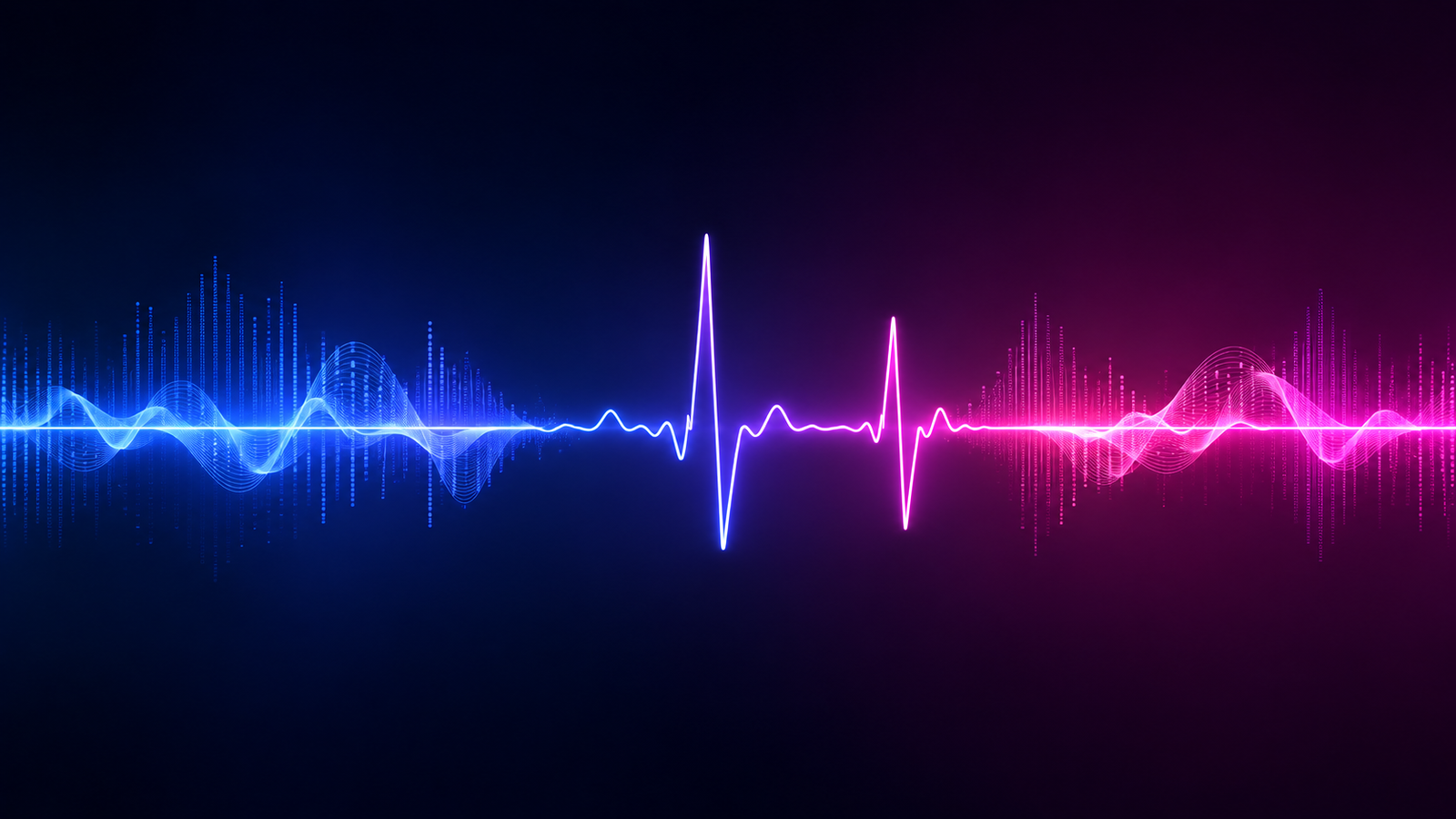
Pulsamento is essentially a recurring pulse or beat, which occurs regularly over time. Imagine the beat of an adult’s heart, the rhythm of a drum or the waves of the ocean. The principle of pulsamento is very simple: when a pulse (one beat) repeats itself, it becomes a rhythm (a regular sequence of beats) and a rhythm gives the impression of structure and flow.
The term does not have one single “official” meaning.
Now the fun begins. The word pulsamento is not a standard word in English language, unlike English words that have standard dictionary definition. It’s borrowed from Romance languages and its meaning varies with context in which it is used, such as music theory, biology, and, most recently, lifestyle and wellness writing.
What this implies is that you may find that the term pulsamento is used with a different meaning from one source to another. That is not necessarily incorrect, but is indicative that the word is still being adopted into common English, where various writers and communities are giving it a unique meaning.
Where does the word Pulsamento come from?
Latin Root: “Pulsare”
Pulsamento is derived from the Latin word “pulsare” which means to push, strike or beat again and again. That’s where the word pulse in English and in the word pulsation come from as well, and that’s why it seems so intuitive to connect the word “pulse” with heartbeat and rhythm.
It is used in Italian, Spanish and Portuguese Language Traditions.
It can be found in various Romance languages, such as Italian, Spanish, and Portuguese, and typically translates to the same basic concept, which is a beat, pulse or rhythmic striking movement.
Early Use in Music Theory
Historically, the concept shows up most clearly in musical traditions:
- Renaissance Italy – Music theorists used the idea of pulsamento to help students understand steady tempo, particularly when learning stringed instruments like the lute.
- Flamenco music in Spain – The “compás,” or rhythmic cycle, in flamenco relies heavily on a performer’s ability to maintain a steady internal pulse, closely related to the concept of pulsamento.
- Portuguese fado – This emotional, ballad-style music tradition also uses a similar rhythmic foundation to guide pacing and emotional delivery.
So while “pulsamento” as an English buzzword feels fairly new, the underlying concept it describes, steady rhythmic pulse, has deep roots in centuries-old musical traditions.
Pulsamento in Music
How It Relates to Rhythm, Tempo, and Beat
In a musical context, pulsamento refers to the steady, underlying pulse that holds a piece of music together. It’s the invisible thread that keeps melodies, harmonies, and performers in sync.
Beat vs. Pulsamento: What’s the Difference?
This is a subtle but important distinction some music writers draw:
- Beat is something you can count. It’s structural, the numbered pulse you’d tap your foot to.
- Pulsamento is described as something you feel. It’s less about counting and more about the internal sense of flow and timing that a musician brings to a performance.
Tempo, meanwhile, refers to the speed of the music. You can speed up or slow down tempo, but the underlying pulsamento, the consistency of feel and internal rhythm, is what keeps a performance coherent even as tempo shifts.
Why Musicians and Performers Pay Attention to It
For musicians, especially in genres like classical, flamenco, and expressive solo performance, mastering a steady internal pulse is often described as separating amateur playing from more polished, professional performance. A performer with unpredictable timing can throw off an entire ensemble, while a strong sense of pulsamento allows for both precision and emotional expression within a piece.
Pulsamento in the Human Body
Heartbeat and Pulse as the Clearest Example
Beyond music, the most intuitive example of pulsamento is your own heartbeat. Each beat is a pulse, and the repeated pattern of those beats over time is essentially pulsamento in its most literal, biological form.
Breathing Rhythm and Its Connection to Pulsamento
Breathing follows its own rhythmic pattern too, inhale, exhale, repeat. Some wellness writers connect this rhythmic breathing pattern to the broader idea of pulsamento, framing steady, controlled breathing as a way to tune into your body’s natural rhythm.
Important Note: This Is a Descriptive Term, Not a Medical Diagnosis
It’s worth being clear here: pulsamento is not a recognized medical term. Doctors and healthcare professionals use specific terminology like pulse, heart rate, heartbeat, rhythm, or palpitations to describe these bodily functions. Pulsamento, when used in a health or body-awareness context, is best understood as a descriptive or conceptual word, not a diagnosis, treatment, or clinical term.
If you’re ever experiencing unusual symptoms like a racing heartbeat, chest discomfort, dizziness, or irregular pulse, it’s important to speak with a medical professional rather than relying on general wellness content for guidance.
Pulsamento as a Broader Life Concept
How Some Writers Use It to Describe Habits, Routines, and Daily Rhythm
In recent years, some online writers have expanded pulsamento beyond music and biology, using it more loosely to describe the rhythm of everyday life. In this interpretation, your daily routines, work habits, sleep schedule, and even emotional cycles are seen as forms of personal “pulsamento,” a repeating pattern that creates a sense of structure and stability.
Natural Rhythms in Nature
This broader interpretation often points to rhythmic patterns found in nature, ocean waves rolling in and out, seasons cycling through the year, or even the rising and setting of the sun, as further examples of pulsamento in action.
Why This Broader Interpretation Has Become Popular Online Recently
Part of the appeal here is that “pulsamento” offers a single, evocative word to describe something many people intuitively feel: that structure, consistency, and rhythm create a sense of balance and calm, while disruption or inconsistency can feel unsettling. Whether or not this broader usage becomes a lasting part of the English language remains to be seen, but it’s clearly resonating with certain corners of wellness and lifestyle content online.
Why Pulsamento Matters
Helps Explain Rhythm and Structure in Everyday Experiences
Whether you’re thinking about it musically, biologically, or as a lifestyle metaphor, pulsamento offers a useful lens for noticing patterns, in sound, in your body, or in your daily habits.
Useful Mental Framework for Musicians, Wellness Content, and Self-Reflection
For musicians, understanding pulsamento can genuinely improve timing, feel, and performance quality. For those interested in wellness or self-reflection, thinking in terms of personal “rhythm” can be a helpful, approachable way to consider consistency and routine, even if it’s more of a poetic framing than a scientific concept.
A Reminder That Patterns and Consistency Create Stability
At a basic level, the idea behind pulsamento, that repeated, steady patterns create structure, is a fairly intuitive and widely applicable concept, whether you’re composing music, monitoring your health, or simply trying to build a more consistent daily routine.
Important Clarification: What Pulsamento Is NOT
To keep things clear and honest, here’s what pulsamento is not:
- Not a standard medical term – Doctors don’t use this word clinically; it’s a descriptive, conceptual term at most.
- Not a single, universally agreed-upon concept – Its meaning shifts depending on whether it’s being discussed in a musical, biological, or lifestyle context.
- Not a proven wellness treatment or technique – While some writers connect it to relaxation or mindfulness, it isn’t a scientifically validated practice or method.
Understanding these boundaries helps you interpret the word accurately, rather than mistaking it for an official, fixed definition.
How People Use the Word Pulsamento Today
Here’s a quick summary of the different communities and contexts where you might encounter this term:
- Musicians and music theorists – Using it to describe internal rhythmic feel and timing.
- Wellness writers – Connecting it to heartbeat, breathing, and body awareness.
- Content creators and lifestyle bloggers – Using it more broadly to describe personal routines, habits, and life rhythm.
- General lifestyle and self-improvement blogs – Framing it as a mindset around consistency and flow.
Frequently Asked Questions
Is Pulsamento an English Word?
Not traditionally. It originates from Latin and Romance languages like Italian, Spanish, and Portuguese, and has only recently started appearing more frequently in English-language content online.
Is Pulsamento a Real Musical Term?
The underlying concept, a steady internal pulse or rhythmic feel, is genuinely rooted in musical traditions like Renaissance Italian music, flamenco, and fado. However, it’s not a formally standardized term in mainstream English music theory.
Is Pulsamento Related to Heart Palpitations?
Pulsamento is sometimes used loosely to describe pulse or heartbeat sensations, but it is not the same as palpitations, which is a specific medical term describing a noticeably rapid, fluttering, or irregular heartbeat. If you’re experiencing palpitations, it’s best to consult a healthcare professional rather than relying on general wellness terminology.
Can Pulsamento Apply to Daily Habits and Routines?
Some writers use it this way, framing consistent daily routines as a form of personal rhythm or “pulsamento.” This is more of a conceptual, metaphorical use of the word rather than a formal definition.
Final Thoughts
So, what is pulsamento? At its heart, it’s a word rooted in the idea of a steady, recurring beat, one with genuine ties to centuries-old musical traditions and an intuitive connection to the natural rhythms of the human body. At the same time, it’s a term still finding its footing in English, used differently depending on whether you’re reading about music theory, body awareness, or lifestyle habits.
Rather than searching for one single “correct” definition, it’s more accurate, and honestly more interesting, to see pulsamento as a flexible concept, one that different communities have shaped to fit their own understanding of rhythm, structure, and flow. Whether it resonates with you through music, your own heartbeat, or the rhythm of your daily routine, the core idea remains the same: patterns and consistency create a sense of stability, wherever you find them.