







If you’ve been kitchen shopping lately, you’ve probably noticed just how many types of hobs (stovetops) are out there. Gas, induction, ceramic, gas-on-glass — it can feel a little overwhelming trying to figure out which one is actually right for you. If you’ve landed here because you keep seeing the term “ceramic hob” and aren’t quite sure what it means, you’re in exactly the right place.
In this beginner-friendly guide, we’ll break down exactly what a ceramic hob is, how it works, and why so many homeowners love them. We’ll also compare ceramic hobs to induction hobs, walk through the honest pros and cons, and share what to look for if you’re shopping for one in 2026. By the end, you’ll have a clear, simple understanding of whether a ceramic hob is the right fit for your kitchen.
What Is a Ceramic Hob?
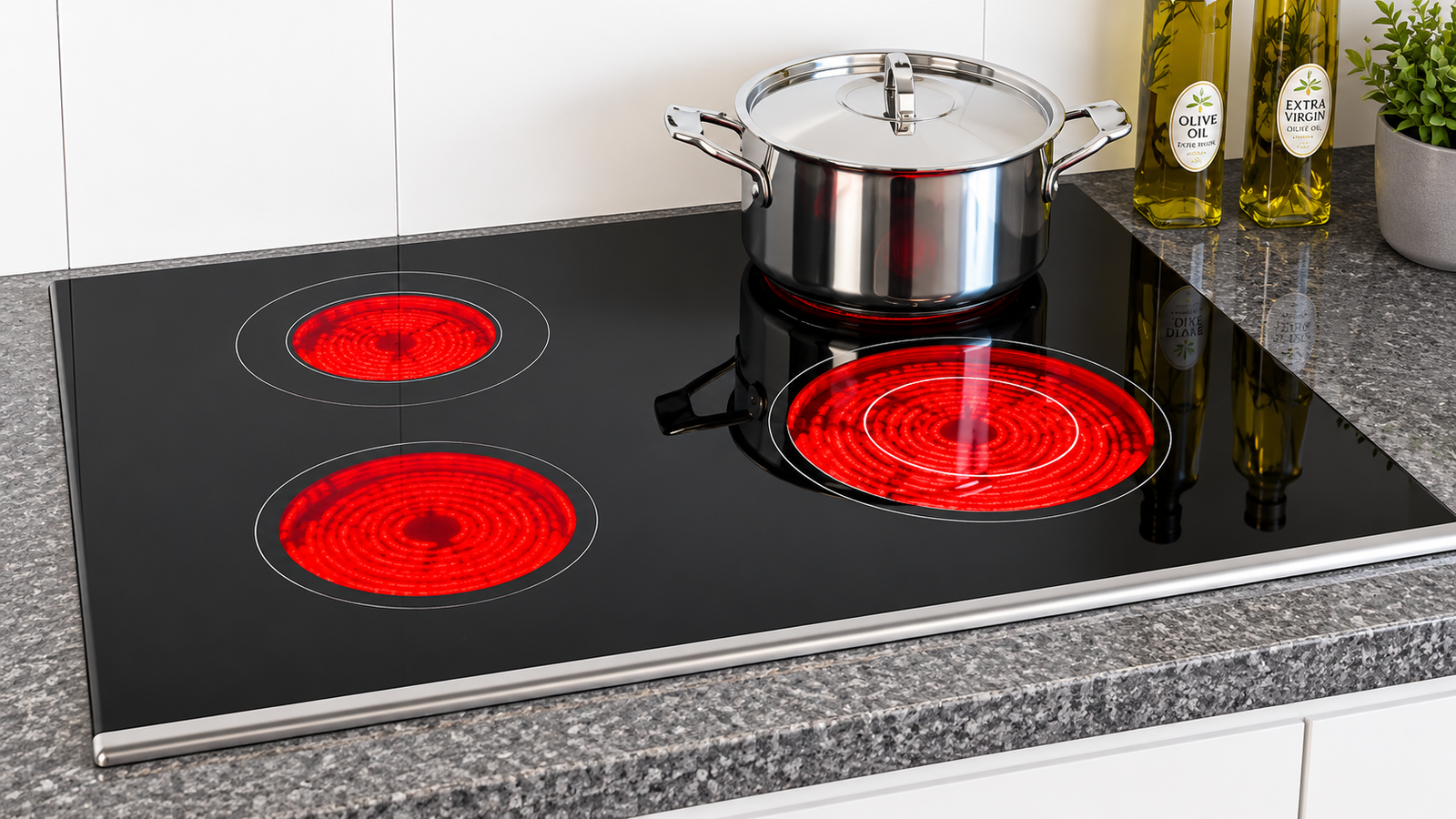
A ceramic hob is a type of electric stovetop with a smooth, flat glass surface made from a special heat-resistant material called glass-ceramic. Underneath that glass surface sit circular heating elements, usually made of metal coils. When you turn on the hob, electricity flows through these coils, they heat up, and that heat transfers upward through the glass to warm your pots and pans.
Unlike a gas stove, there’s no visible flame. And unlike an induction hob (which we’ll get into shortly), the glass surface itself becomes hot to the touch during cooking, not just the pan sitting on it.
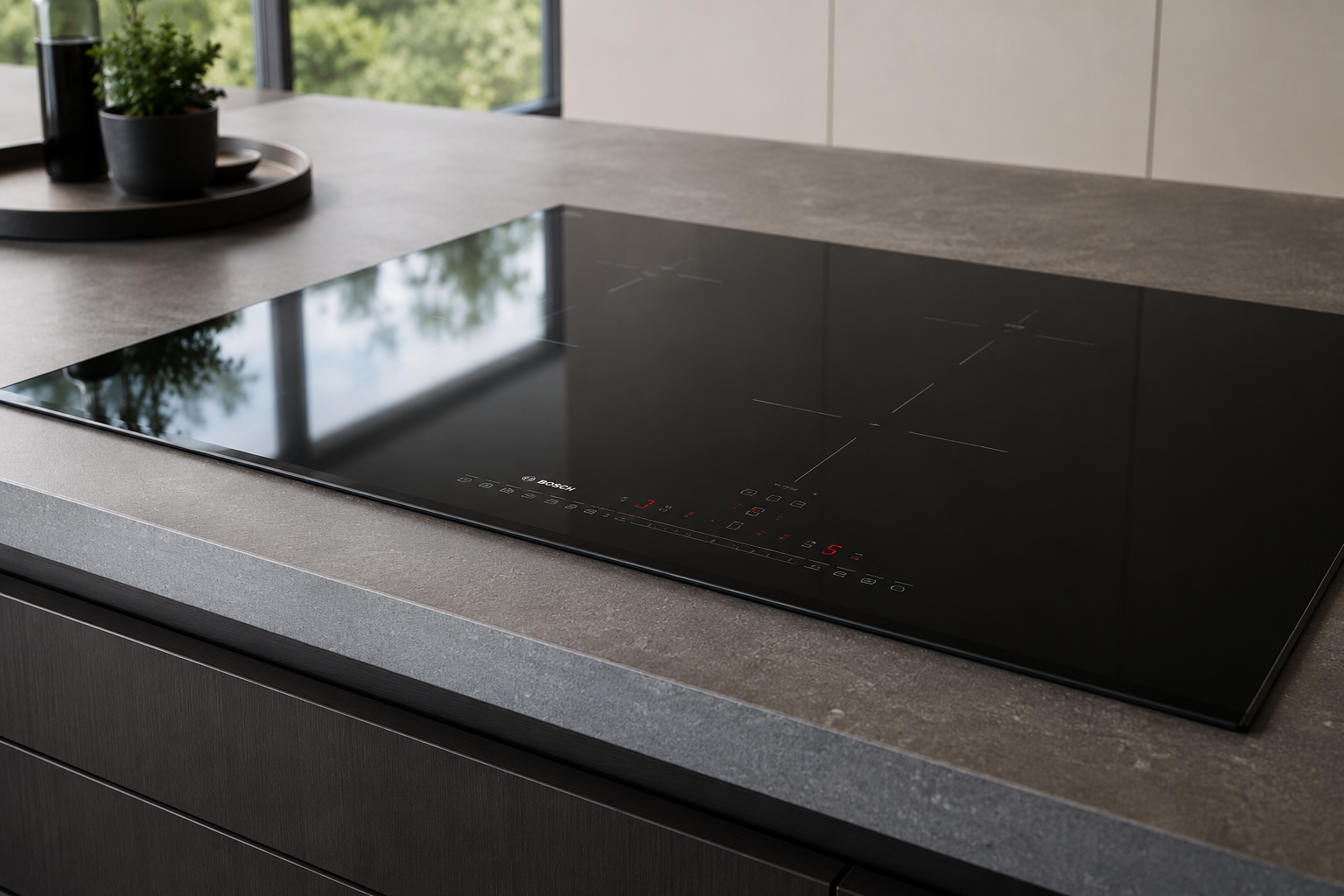
Ceramic hobs are known for their sleek, modern look. Most come in a glossy black finish, though some are available in white or other colors. Because the surface is completely flat with no burners, grates, or knobs poking up, they’re also much easier to wipe down compared to old-school gas stoves.
How Does a Ceramic Hob Actually Work?
It’s helpful to picture a ceramic hob like a very advanced, controlled version of an electric coil stove, just with a glass cover on top. Here’s the basic process:
- You select a cooking zone and set your desired heat level, either using touch controls or dials.
- Electricity flows to the heating element beneath that specific zone.
- The element heats up and transfers that heat through the glass-ceramic surface.
- Your cookware, sitting directly on the glass, absorbs the heat and starts cooking your food.
Because the heat has to pass through the glass before reaching your pan, ceramic hobs typically take a little longer to heat up (and cool down) compared to gas or induction hobs. This is one of the key differences we’ll explore more in the next section.
Ceramic Hob vs Induction Hob
This is probably the most common question people have when hob shopping, since both types look almost identical at first glance. They’re both flat, glass-topped, and modern-looking. But underneath that similar appearance, they work in completely different ways.
The Core Difference: How They Heat
A ceramic hob heats up using radiant heating elements beneath the glass. The glass surface itself gets hot, and that heat transfers to your cookware sitting on top.
An induction hob, on the other hand, uses electromagnetic energy. Instead of heating the glass surface directly, it creates a magnetic field that generates heat directly inside the pan itself (as long as the pan is made of a magnetic material, like cast iron or certain stainless steel). This means the glass surface around your pan stays much cooler, since it’s not the thing being heated.
Speed and Efficiency
Induction hobs are the clear winner here. Because they heat the pan directly rather than heating a glass surface first, they warm up food much faster, often bringing water to a boil in half the time a ceramic hob would take. They’re also more energy-efficient, since less heat is wasted warming up the glass itself.
Ceramic hobs are a bit slower to heat and cool, but many people find this manageable, especially since they’re often more budget-friendly upfront.
Cookware Compatibility
This is a big one. Ceramic hobs work with almost any flat-bottomed cookware, including stainless steel, aluminum, copper, glass, and cast iron. You don’t need to buy new pots and pans if you’re switching to a ceramic hob.
Induction hobs are pickier. They only work with magnetic cookware, meaning pans made of cast iron or magnetic stainless steel. If your current cookware is aluminum, copper, or glass, it likely won’t work on an induction hob unless it has a magnetic base built in.
Safety
Induction hobs are generally considered safer, especially for households with kids. Since the glass surface doesn’t get directly hot (only the pan does), the risk of accidental burns is lower. Ceramic hobs, by comparison, have a hot surface that stays warm for a while after cooking, which is why most models include a residual heat indicator light to warn you.
Price
Ceramic hobs are typically less expensive than induction hobs, both to purchase and often to have installed. If you’re working with a tighter renovation budget, this can be a meaningful factor.
Quick Comparison Table
| Feature | Ceramic Hob | Induction Hob |
| Heating method | Radiant heat through glass | Electromagnetic energy |
| Heating speed | Moderate | Fast |
| Cookware needed | Any flat-bottomed pan | Magnetic cookware only |
| Surface temperature | Hot to touch | Stays cooler |
| Energy efficiency | Good | Excellent |
| Typical price | Lower | Higher |
Ceramic Hob Pros and Cons
Like any appliance, ceramic hobs have their strengths and weaknesses. Here’s an honest breakdown to help you decide if one is right for your kitchen.
Pros
Sleek, Modern Appearance Ceramic hobs instantly give a kitchen a clean, contemporary look. Their smooth glass surface pairs beautifully with most modern kitchen designs.
Easy to Clean With no burners, grates, or knobs to work around, wiping down a ceramic hob is quick and simple. A soft cloth and the right cleaner can keep it looking spotless.
Works With Most Cookware Unlike induction hobs, ceramic hobs don’t require special magnetic pots and pans. You can use whatever flat-bottomed cookware you already own.
More Affordable Than Induction Ceramic hobs typically cost less to buy and install compared to induction models, making them a popular mid-range choice.
Even Heat Distribution Once heated, ceramic hobs tend to distribute heat evenly across the cooking zone, which is great for simmering sauces or melting delicate ingredients.
Multiple Cooking Zones Most ceramic hobs offer several cooking zones of different sizes, giving you flexibility for cooking multiple dishes at once.
Cons
Slower to Heat and Cool Compared to gas or induction, ceramic hobs take longer to reach your desired temperature and longer to cool down afterward.
Surface Gets Hot Since the glass itself heats up, there’s a higher risk of accidental burns, especially in households with young children.
Prone to Scratches The glass surface, while durable, can scratch if you use rough cleaning tools or drag heavy, rough-bottomed cookware across it.
Higher Running Costs Than Induction Ceramic hobs are generally less energy-efficient than induction hobs, which can mean slightly higher electricity bills over time.
Sensitive to Sugar Spills Sugary spills that burn onto the glass can cause small pits or damage if not cleaned up quickly.
Best Ceramic Hobs in 2026
If you’ve decided a ceramic hob is the right choice for your kitchen, you’ll find plenty of solid options from trusted appliance brands. While the “best” hob really depends on your budget, kitchen size, and cooking habits, here’s what to look for across different categories in 2026.
Best for Budget-Conscious Buyers
Entry-level ceramic hobs from reliable value brands offer the essentials: multiple cooking zones, basic touch or dial controls, a residual heat indicator, and a straightforward black glass finish. These are a great fit if you want a dependable, no-frills hob without paying for extra features you may not use.
Best Mid-Range Option
Mid-range ceramic hobs from established brands like Bosch, Neff, and Beko tend to offer a nice balance of performance and price. Look for models with a good number of cooking zones (typically four), faster heat-up times, child safety locks, and a slightly more premium touch-control interface.
Best Premium Choice
If budget isn’t your main concern, premium ceramic hobs from brands like Siemens, AEG, and Miele often include extra conveniences such as bridging zones (combining two zones into one large one for bigger pans), advanced touch displays, and sleek ultra-low-profile designs that sit flush with your countertop.
What to Look for When Buying in 2026
Regardless of your budget, keep these features in mind while shopping:
- Number of cooking zones – Four zones is standard for most households; larger families may want five.
- Residual heat indicators – A must-have safety feature that shows when a zone is still hot.
- Child safety lock – Especially important if you have young kids at home.
- Control type – Touch controls look sleek, while dial controls can be easier for some users to operate precisely.
- Warranty – Look for at least a 1-2 year manufacturer warranty for peace of mind.
- Installation requirements – Most ceramic hobs need professional hardwiring by a qualified electrician, so factor in installation costs.
As always, it’s worth checking recent independent reviews and comparing a few models in person or online before making your final decision, since prices and available models can shift throughout the year.
Is a Ceramic Hob Right for You?
So, should you go with a ceramic hob? Here’s a simple way to think about it:
Choose a ceramic hob if you want a stylish, easy-to-clean cooktop that works with your existing cookware and fits a moderate budget.
Choose an induction hob instead if speed, energy efficiency, and extra safety are your top priorities, and you don’t mind investing a bit more upfront (and possibly in new cookware).
There’s no universally “best” choice here, it really comes down to your cooking habits, budget, and what matters most to you in a kitchen appliance.
Frequently Asked Questions
Is a Ceramic Hob the Same as a Glass Hob?
Yes, essentially. “Ceramic hob” and “glass hob” are often used interchangeably, since the cooking surface is made from glass-ceramic material.
Do Ceramic Hobs Need Special Cookware?
No. Ceramic hobs work with most standard flat-bottomed cookware, including stainless steel, aluminum, and cast iron. This is one of their biggest advantages over induction hobs.
Are Ceramic Hobs Expensive to Run?
Ceramic hobs are a bit less energy-efficient than induction hobs, so running costs tend to be moderately higher. However, they’re still generally more efficient than gas hobs.
How Long Do Ceramic Hobs Last?
With proper care and cleaning, a good-quality ceramic hob can typically last 10-15 years before needing replacement.
Final Thoughts
A ceramic hob offers a great blend of style, affordability, and everyday practicality, making it a popular choice for kitchens of all sizes. While it may not be quite as fast or energy-efficient as an induction hob, its flexibility with cookware and lower price point make it an appealing option for many households heading into 2026.
Whether you’re renovating your kitchen or simply replacing an old stove, understanding how ceramic hobs work, along with their pros, cons, and how they compare to induction hobs, puts you in a great position to make a confident, informed choice.