





A dish with a dark, shiny, melt-in-the-mouth center of a cut of beef is something magical. That’s what asado negro does, and that’s why people ask me when I tell them about it or smell it cooking nearby, what is the best asado negro near me? It has been a Venezuelan classic for a long time, has a unique taste and is known and loved by many people outside South America.
Whether you’ve never tried it before or you are a fan and are looking for a fantastic version of your favorite, this guide has you covered. You will discover what asado negro is, how it is made and why it is both the look and flavor it is, and how to find a restaurant that will know what to do to make it the best.
What Is Asado Negro?
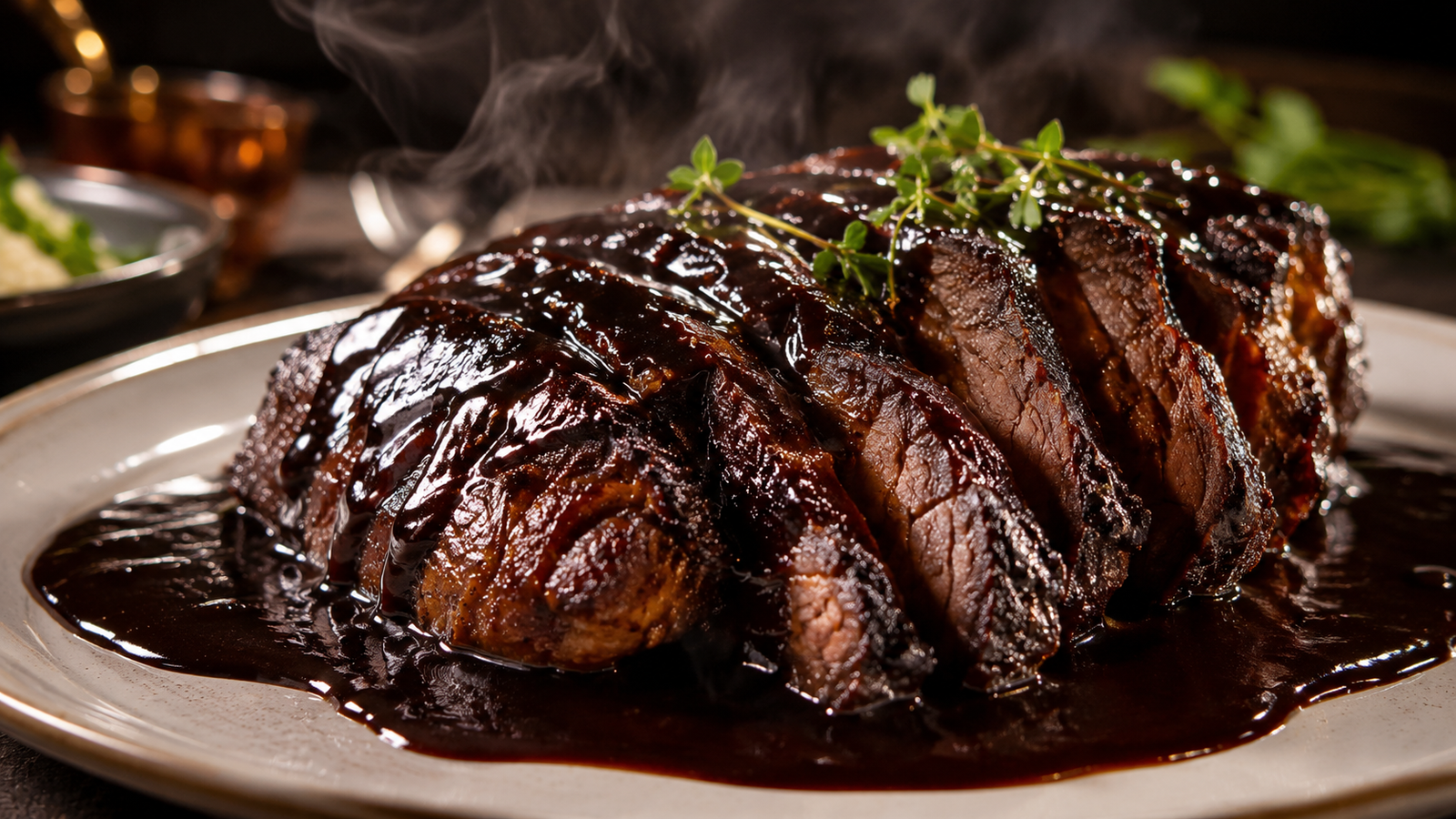
Asado negro means in English “black roast,” which most appropriately describes the dish. It is lightly browned in a dark, rich, and slightly sweet sauce, which is not made by burning anything, but by the caramelization of sugar with savory seasonings. The dish is not smoky or bitter, but is very dark in color. A perfect blend of sweet and savory tastes against a soft, tender slow-cooked beef.
It is one of the most popular dishes of beef in Venezuela, particularly in Caracas and is connected more to celebrations and special family meals than to regular cooking. It’s a type of meal that takes time and attention to make properly which is part of the reason it has a special place in the food culture of Venezuela.
The History and Cultural Significance of Asado Negro
Asado negro is no new concept. Its first mention was in Caracas as early as 1861, and it’s known for its intense dark sauce with a shine, and the beef which becomes very tender after slow cooking. It is sometimes called a fusion of Spanish colonial techniques and Afro-Caribbean influence, and was a meal traditionally reserved for special occasions like birthdays, family long lunches and Christmas.
This became very popular among upper and middle class Venezuelan families in the 1800s and early 1900s. It was adopted by many classes over time and became a favorite of home cooking in Venezuela in general, but it has always remained the food of special occasions.
It also became more popular thanks to well-known Venezuelan chef Armando Scannone, who recorded it in his series of traditional Venezuelan family recipes. Much of the regional and family recipes were lost and preserved by this type of documentation while the dish also changed in home kitchens throughout the nation.
Asado negro is still an integral part of the Venezuelan identity today, especially in Caracas and it is still closely associated with festivals, family gatherings and celebrations that gather people together around the table. Each family in Venezuela has their own twist on the recipe, some using just red wine in the sauce, others a popular Venezuelan malt liquor, but always the same concept: a tough, lean cut of beef, made something extraordinary by patient and careful caramelization.
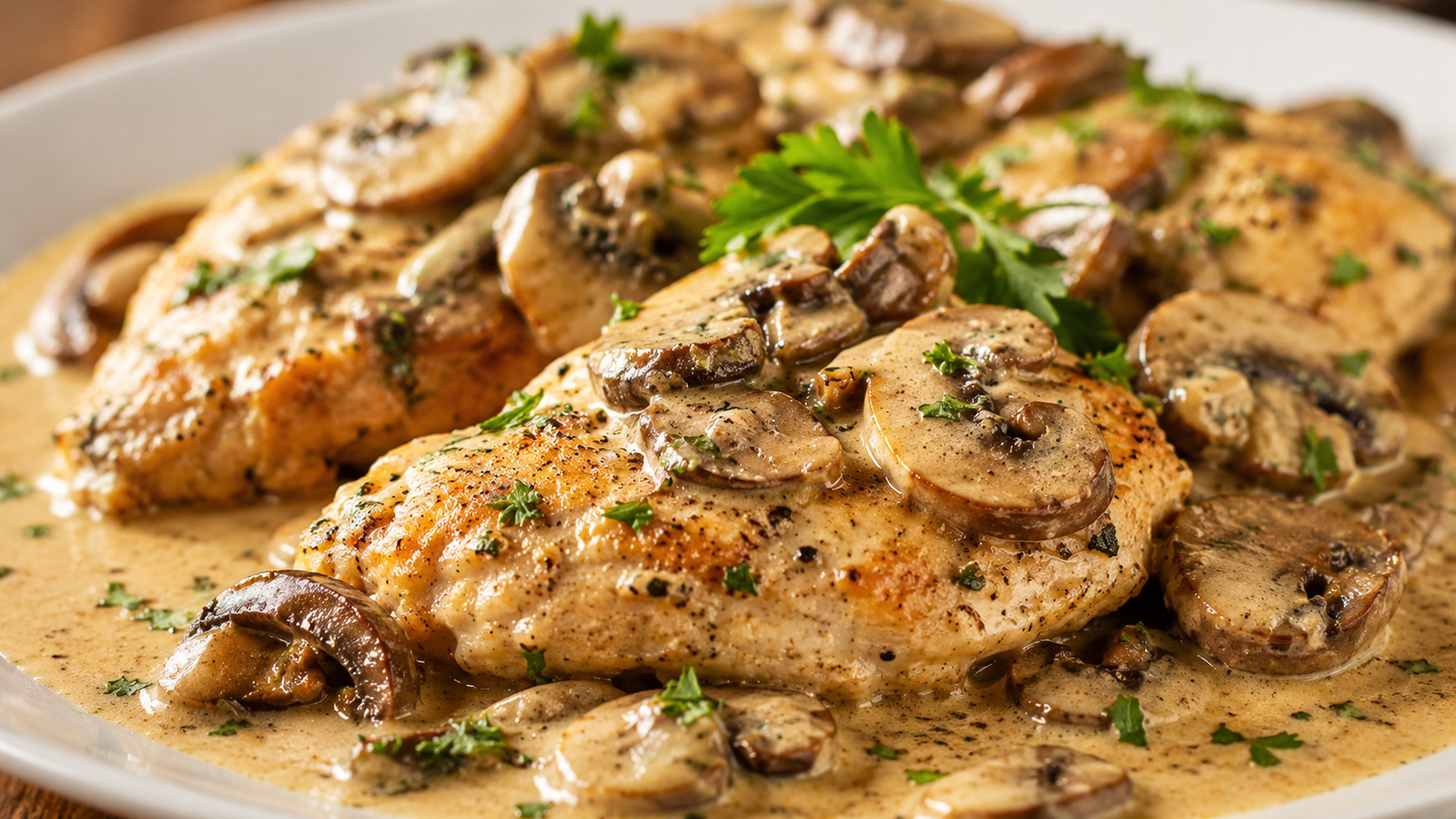
Related: Best Pollo al Champignon Near Me: A Complete Guide for Food Lovers
What’s the secret behind the distinct flavor of Asado Negro?
Asado negro has a unique taste of its own, and it’s a carefully balanced sweetness and savoriness that differs from what you might find in the traditional beef cooking repertoire. The meat is marinated in a garlic and onion mixture and then braised in a rich sauce of caramelized sugar, red wine and beef broth, yielding tender beef with a rich and complex flavor.
The sweetness is intentional and intrinsic to the dish, but it shouldn’t be dessert. The balance between sweet and savory notes lends a interesting, non-sweet taste to the dish, making it more than just pleasant to eat. The asado negro must be delicious and never have a burnt or bitter taste, because the dark color and flavor are simply the result of a slow caramelization process, not any burning of the meat itself.
The texture is as important as the taste here. The cut of beef that is traditionally used is naturally lean and a bit tough, so it needs to be cooked for a long time, slowly. If done properly, the meat will fall apart easily, absorbing all the sauce around it over the course of hours.
Key Ingredients in an Authentic Asado Negro
Knowing the ingredients that are used when creating asado negro can help you to determine whether you’re eating a restored version of the meat or a cheap version. The most common option for the beef is an eye of round roast, but sometimes boneless short ribs or bottom round are used.
Usually made with red wine (Cabinett Sauvignon or Merlot), Marsala (or a sweet wine), and a beef stock or bouillon as a flavor base. The essential aromatic structure is the garlic, onions and bell peppers, with bay leaves, oregano and Worcestershire sauce adding dimension, and in some versions, a few drops of soy sauce for colour and flavour.
But the real star of the show is the sugar used in making the signature dark colour. Panela is a traditional unrefined cane sugar, boiled and evaporated from sugarcane juice until it becomes a dense block, which is used in traditional recipes. Papelón is produced from sugarcane without separating out the molasses which accounts for its rich, earthy sweetness and deep caramel flavor; in fact, it is a key element in the cooking of most foods in Venezuela.
Some family recipes add a splash of Malta, a sweet, non-alcoholic malt beverage popular throughout Venezuela, to deepen the sauce even further, while others grate their vegetables directly into the marinade rather than chopping them. These small variations are part of what makes asado negro so personal to different families and regions, even though the core technique stays consistent.
How to Find the Best Asado Negro Near Me
Asado negro is a very typical dish from Venezuela; therefore, you should begin your search for asado negro restaurants in your area, and not search for Latin American dishes or international dishes. Searching for Venezuelan restaurant near me” together with “asado negro near me” in a search engine or restaurant app will typically bring up the most relevant results.
Of course, if you’re in or near a city that has a large group of Venezuelans, the chances are much higher that you’ll find a place that gives the dish the attention it deserves, because it’s a dish that has great cultural significance. Find restaurants that can also make other Venezuelan favorites such as arepas, hallacas or tequeños, because a restaurant that can give you a full and authentic Venezuelan menu is more likely to make asado negro with real love and care than as an afterthought.
It could also be beneficial to read the reviews carefully. Don’t just look at the number of stars in the restaurant’s reviews, but rather specific keywords like “asado negro” in the reviews, since a restaurant may have a great arepa, but an average asado negro. Here it’s particularly helpful if other people have posted their photos as it will help you see if the sauce is dark but glossy, and if the beef is tender (Dry is not good).
Don’t discount smaller, family-style Venezuelan restaurants in favor of more ambiguous Latin establishments. With such close ties to home cooking and family tradition, smaller kitchens with those who have a personal connection to Venezuela often produce the best versions.
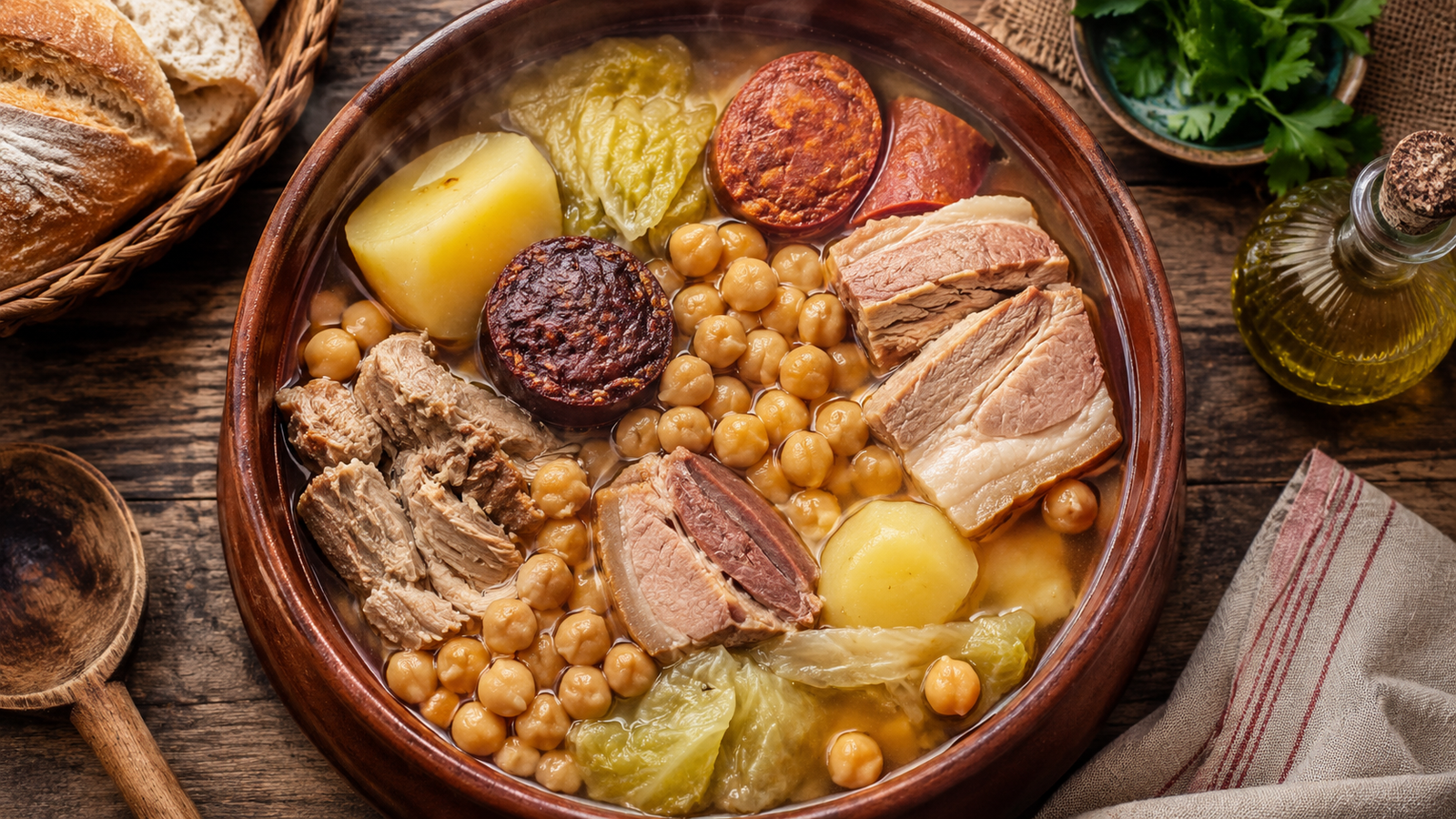
Related: Best Cocido Gallego Near Me | Finding The Best For You
Signs of a Truly Authentic Asado Negro
There are a few clear indications to tell you when you’re getting an asado negro that’s actually authentic as opposed to being rushed or a cheap cut. One of the simplest checks to make is the colour of the sauce. It should be very dark, almost black or a very dark mahogany brown; not thin or watery.
Beef should be tender, easy to chew and almost falling apart in your hands, because this requires it to be cooked for a long time. If the meat is tough or chewy, it was not cooked long enough or at a sufficiently low temperature.
The final word is taste. A well made asado negro should be balanced and.should have a clear sweetness from the caramelized sugar, tempered by the acidity of the wine and vinegar in the marinade, and depth of flavours from the aromatics and broth. Neither should it taste too sweet or like dessert, or too thin or ‘one note’.
Last but not least, portioning and presentation is important. This is a special occasion dish, and is typically served in large portions with abundant sauce (which is not a garnish, but part of the meal).
What to Expect on the Menu
Asado negro is almost always a main course in a restaurant, and is usually accompanied by other descriptions such as “venezuelan beef roast” or “carmelized beef” besides the name asado negro. It is usually eaten with boiled rice, mashed potatoes or sometimes fried plantain as a side dish.
A slow-cooked dish or that a cut of beef is being used are good indicators that the restaurant isn’t using a quick-fix version of the recipe. The dish can also be served as a combination dish with other traditional Venezuelan foods such as sweet fried plantain, or a side of black beans.
The sauce is an integral part of the dish; well-prepared restaurants will ensure that there is ample sauce on the plate and not just a light garnish over the beef.
Average Prices for Asado Negro
Asado negro is in the middle tier of the price range for main courses, depending on the restaurant and location, and the reason is that it uses a cheap cut of meat, but sauce ingredients from a pantry are quite affordable, too. It is an affordable option in casual Venezuelan restaurants, and at family eateries, it’s priced like other hearty dishes that are on the menu.
A higher price might be warranted in more upscale establishments that serve more sophisticated Latin American dishes, particularly if they are made with premium beef cuts, or if they accompany multiple sides on an elaborate plated meal. Asado negro is usually used at celebrations and some restaurants might also have it as a specialty or even as an item which is limited in availability; it might have an effect on pricing depending on demand.
As with all restaurants, the best way to get an idea of the price you’ll pay in your neighborhood is to consult the restaurant’s own website or visit the restaurant in person. On your restaurant’s menu, you’ll find a variety of options, including items for adults and children, and breakfast choices, as well as specialty items and other dishes. The prices of these items will vary significantly between cities and neighborhoods.
Takeout vs. Dine-In: Which Is Better for This Dish
One of those dishes that is better the longer you enjoy it, asado negro is a bit easier to take out than some of the other main courses. In fact, many home cooks say that asado negro is even better the next day, as the flavors have had more time to develop overnight.
But, when it comes to dine-in, there are certain benefits to be had, especially in the areas of presentation and temperature. When you eat the dish fresh when it is cooked at the restaurant, you get to experience all the beauty of that glossy, deep, and rich sauce and freshly sliced hot beef patty.
If ordering takeout, request additional sauce to be served on the side to help brighten its flavor when reheated at home. It’s best to gently reheat the sauce over low heat on the stove rather than in a microwave to retain the sauce’s texture and keep the beef moist and not rubbery.
While the convenience of takeout is nice if you’re not in the mood for cooking, a freshly prepared plate at a quality Venezuelan restaurant doesn’t come close to being the best meal out of the home for some people.
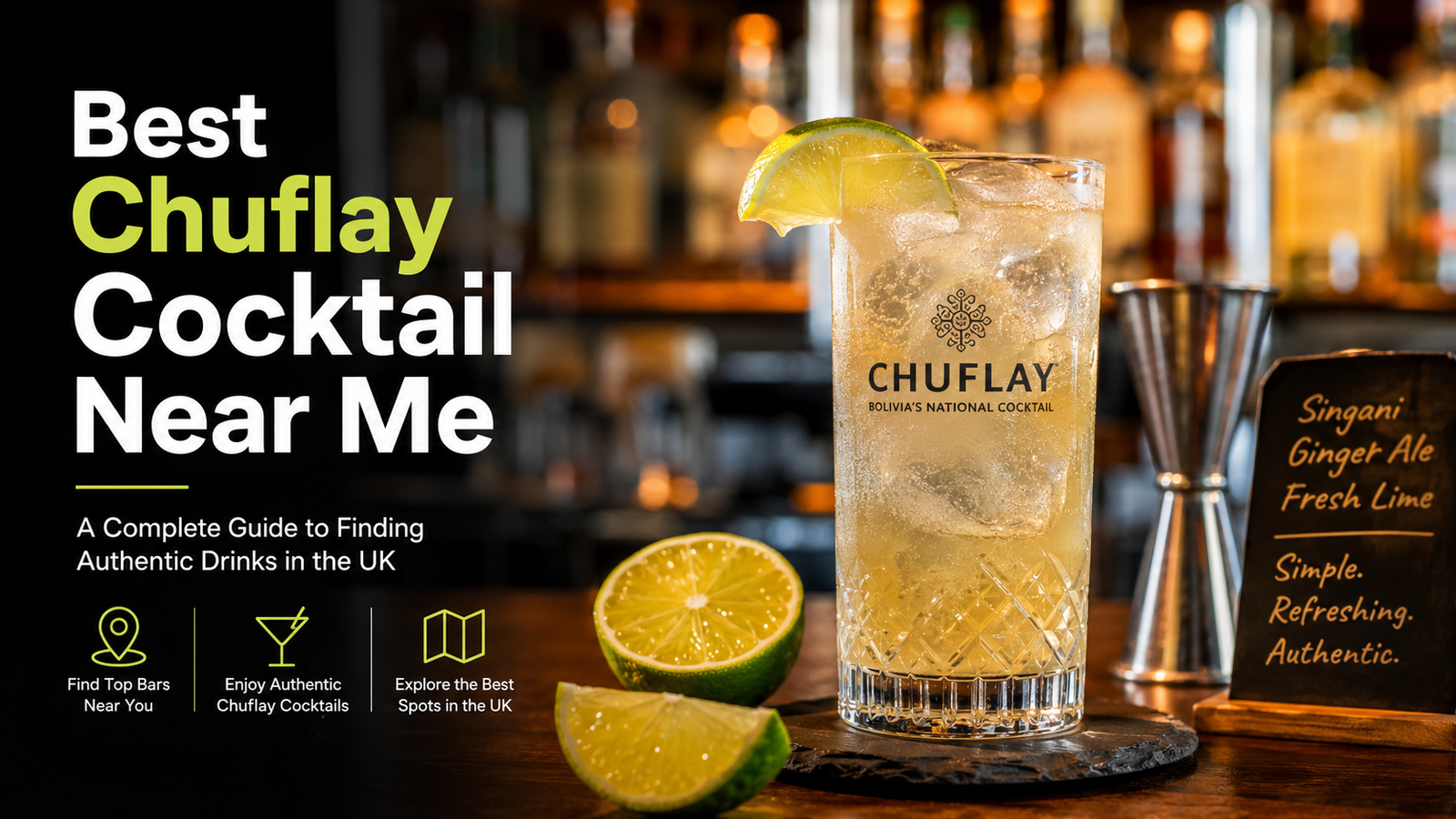
Read more: Best Chuflay Cocktail Near Me – Find the Perfect Chuflay Cocktail Near You
How to Choose a Great Restaurant
There are a few general indicators to look for, in addition to the name of the restaurant, to determine if the restaurant will be good at asado negro. Restaurants that are specifically and obviously showing off their Venezuelan foods and not just a general, unfocused menu of Latin American dishes are more likely to be detailed and experienced with traditional recipes such as this.
If the dish is featured on the menu or restaurant website, pay attention to “slow-cooked” or “made from scratch” sauces, as these are often a restaurant’s pride and joy. A restaurant that incorporates a family recipe or a traditional cooking technique used in Venezuela into its branding is also a good bet, as asado negro is so closely associated with cooking at home.
The individual reviews is a better gauge than the overall star rating of a restaurant as long as they speak directly to this dish, and include photos of the sauce color and the sauce’s glossiness. Many Venezuelan families have strong opinions about this dish and the recommendations of their Venezuelan friends and acquaintances in your area can be invaluable as well.
Some guidelines on ordering the best Asado Negro
If you have to place an order, please request the person serving you to tell you how it is being prepared—sometimes it will be slow-cooked at the restaurant or a shortcut technique. Most kitchens that can boast of their asado negro will be pleased to tell you how they do it.
If you can, request additional sauce on the side, as it plays a prominent role in the beef experience and you will be able to cover every bite of your beef with some sauce. If the person who is ordering the food likes the sweetness to be less, it’s a good idea to inquire if the kitchen can make some adjustments – traditional recipes can vary in sweetness from one food item to another.
If ordering takeout, make sure the sauce is in a separate container from the beef so that the meat does not become too soft or soggy when in transit, and then assemble at home.
When serving asado negro, it’s important to choose the right side dish.A good side dish for asado negro is essential.
The perfect appetizers and sides to compliment an asado negro meal. Mashed potatoes with cream sauce work well, as does a white rice side-dish, which will absorb the flavor. Almost always, the dish will be accompanied by sweet fried plantains (tajadas), which provide a good contrast to the beef’s savouriness.
On extra special days, some cooks will pair it with sweet potato purée as a fancy addition or roasted vegetables or yuca as a side dish. It’s best to have something to absorb the sauce, as it is generally regarded as the most crucial part of the whole dish, regardless of which side you’re on.
While a meat and its sauce is typically a satisfying entree by itself, it can become a more well-rounded meal if you are pairing it with heavier starches when you serve it, and then adding a side of a green salad or steamed vegetables as a light, fresh contrast.
How to make Asado Negro at home?
Yes, it does take some time, but it is a fairly simple process. Most of the time, the beef is marinated for several hours, or overnight in a mixture of garlic, onions, vinegar and spices, for a better flavor and texture.
The beef is first browned in melted panela or brown sugar to give the dish its signature dark, slightly sweet crust. The meat is then braised slowly to make it tender in a sauce made from the marinade and some wine and beef stock. A lot of home chefs say that this recipe improves with age, which makes it the perfect recipe to make ahead of time for a special meal.
If you’re feeling adventurous, you can blend in a bit of clove or cinnamon to help give the sauce a bit more heat and flavor. In addition, the sweetness level, the heat of the sauce and the kind of beef cut you use can be altered to your tastes and still hold true to the original flavor.
Frequently Asked Questions
What does asado negro mean? It translates to “black roast” in Spanish, describing the deep, dark color the dish develops during cooking.
Is asado negro burnt or smoky tasting? No, the dark color comes entirely from caramelizing sugar, not from burning the meat, and the flavor is balanced rather than smoky.
What cut of beef is traditionally used? Eye of round roast is the most common choice, though bottom round or boneless short ribs are sometimes used as alternatives.
Is the dish very sweet? The sauce carries a noticeable sweetness, but it remains balanced with savory ingredients and should not taste like a dessert.
Can asado negro be made ahead of time? Yes, it can be prepared in advance, and many people find that the flavors actually improve after resting overnight in the refrigerator.
What is typically served alongside asado negro? It is commonly served with boiled rice, mashed potatoes, or fried plantains.
Conclusion
Asado negro is far more than just another beef dish. It carries centuries of Venezuelan history, family tradition, and culinary craftsmanship in every dark, glossy slice. Whether you are searching for the best version near you or considering making it yourself at home, understanding what goes into this dish makes it even easier to appreciate.
Take the time to seek out a restaurant that treats this dish with the respect it deserves, ask questions about how it is prepared, and do not be afraid to try making it yourself if you enjoy spending time in the kitchen. However you choose to experience it, asado negro offers a genuinely memorable taste of Venezuelan culture and comfort food at its finest.