









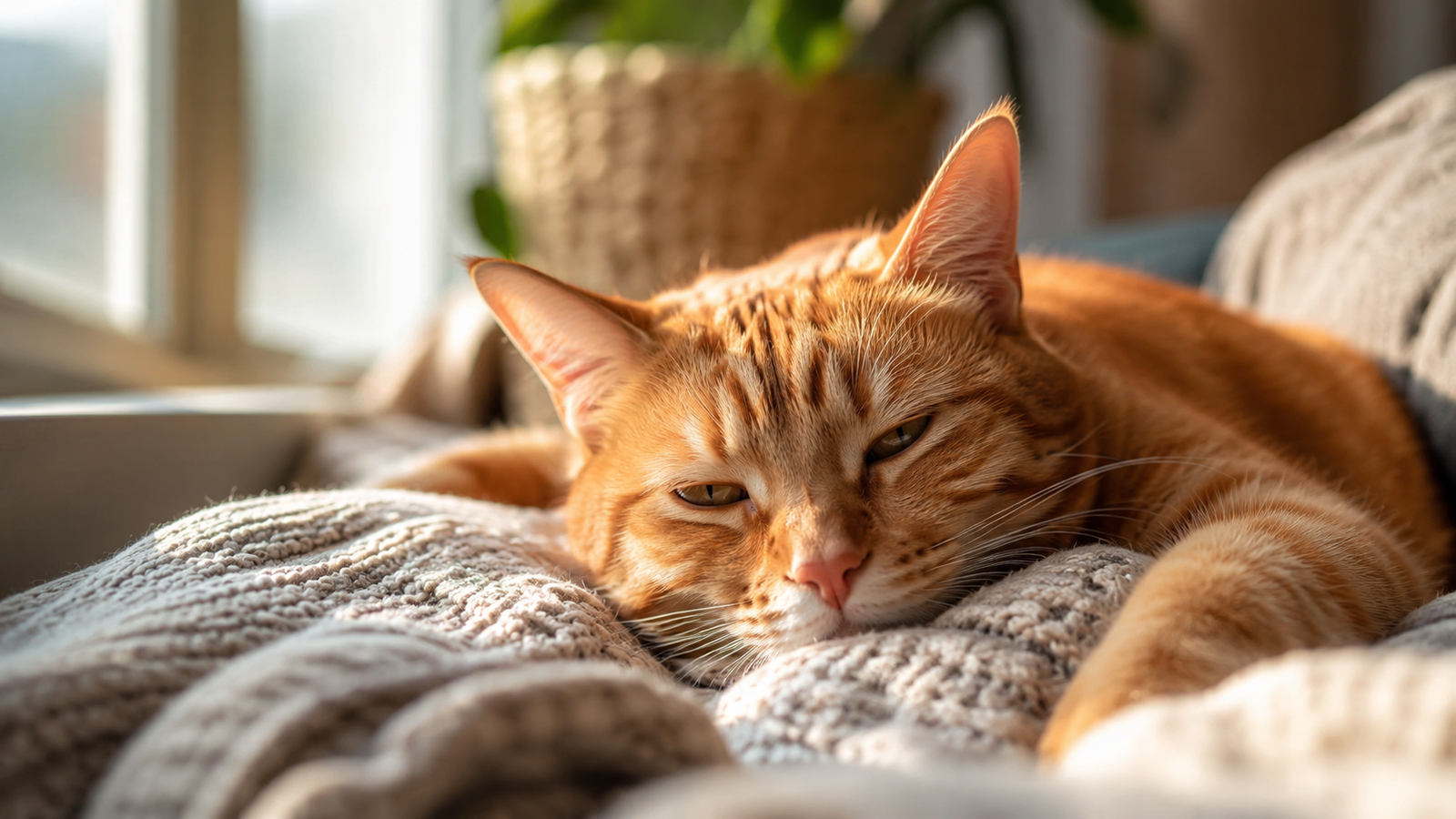
You walk into the room and hear it — a tiny sneeze from your cat. Then another one. Maybe their eyes look a little watery, or their nose seems runnier than usual. Your first thought is probably, “Wait, can cats even catch colds?”
Yes, they can. And if you’re reading this, your cat might be dealing with one right now. The good news is that most cat colds are mild and clear up on their own with a little extra care from you. The tricky part is knowing what’s normal, what needs home treatment, and what actually needs a vet.
This guide walks you through everything about cat cold symptoms treatment — what causes it, how to spot the signs early, what you can do at home, and exactly when it’s time to stop waiting and call your vet.
Can Cats Really Catch a Cold?
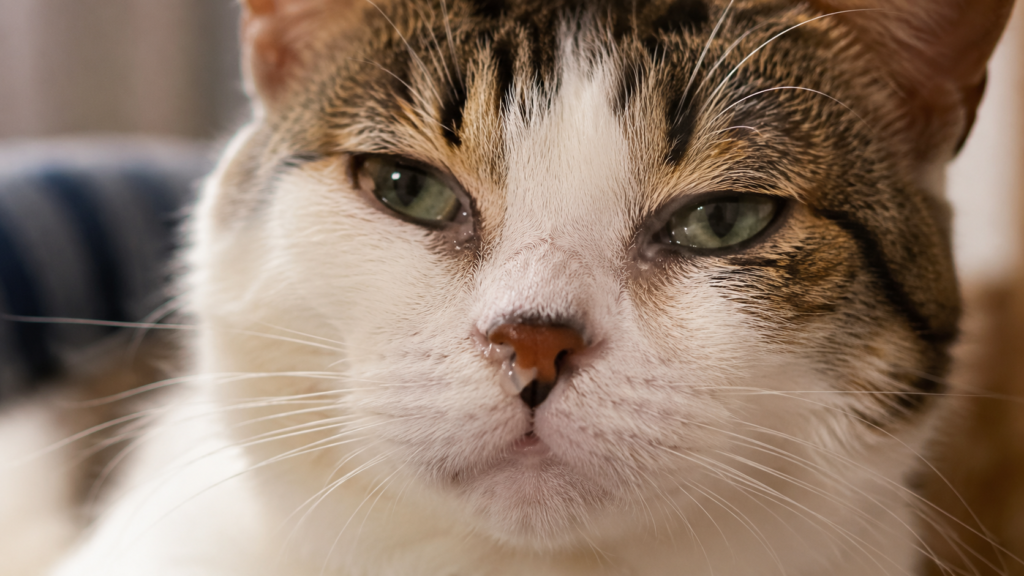
Yes, but not in the exact same way humans do. When people say their cat has “a cold,” they usually mean their cat has an upper respiratory infection, or URI for short. It affects the nose, throat, and sinuses, and it causes symptoms that look a lot like a human cold — sneezing, runny eyes, congestion, and general tiredness.
The virus that causes a cat cold is different from the ones that cause human colds. So while your cat’s symptoms might remind you of your own sniffles, the actual germ behind it is a cat-specific one. This also means you don’t need to worry about catching a cold from your cat, or your cat catching one from you.
Most cat colds aren’t dangerous for healthy adult cats. But they can hit kittens, senior cats, and cats with weaker immune systems much harder, so it’s worth paying close attention no matter how mild things seem at first.
What Causes a Cat Cold?
Almost all cat colds trace back to one of two viruses. Knowing which one your cat might have isn’t something you can figure out at home, but understanding them helps you know what you’re dealing with.
Feline Herpesvirus (FHV-1)
This is one of the most common causes of upper respiratory infections in cats. It’s highly contagious between cats and tends to stick around in a cat’s system even after symptoms go away. That means a cat who’s had it before can have flare-ups later in life, especially during stressful periods like boarding, moving homes, or a trip to the vet.
Feline Calicivirus
This virus causes symptoms similar to herpesvirus, but it’s more likely to cause mouth ulcers or sores in addition to sneezing and nasal discharge. It’s also extremely contagious among cats, especially in places where many cats live close together, like shelters or multi-cat households.
Other Triggers That Make Cats More Likely to Get Sick
- Recent boarding, grooming, or travel
- Living in a multi-cat household or shelter environment
- Not being vaccinated, especially in kittens
- A weakened immune system from stress, poor nutrition, or another illness
- Cold weather and dry indoor air, which can irritate the airways
Cat Cold Symptoms Treatment: Full List of Signs (Mild to Severe)
Not every cat cold looks the same. Some cats barely seem bothered, while others feel pretty miserable. Knowing where your cat falls on this scale helps you decide how urgently they need care.
Mild Symptoms
- Occasional sneezing
- Slightly watery eyes
- A little bit of nasal congestion
- Normal energy and appetite otherwise
At this stage, most cats just need some extra comfort and monitoring at home.
Moderate Symptoms
- Frequent sneezing throughout the day
- Nasal discharge that’s clear to slightly cloudy
- Reduced appetite because they can’t smell their food well
- Lower energy than usual, more napping
- Mild fever
This is when home care becomes more important, and you’ll want to start watching the clock on how many days it’s been going on.
Severe Symptoms — Red Flags to Watch For
- Yellow or green discharge from the nose or eyes
- Difficulty breathing, or breathing through an open mouth
- Complete loss of appetite for more than a day
- Coughing that sounds wet or persistent
- Extreme lethargy — barely moving or responding
- High fever
If you notice any of these, it’s no longer a “wait and see” situation. This level of cat cold symptoms treatment needs a vet involved, not just home remedies.
Cat Cold vs Allergies: How to Tell the Difference
This trips up a lot of cat owners because the symptoms overlap so much. Both allergies and colds can cause sneezing, watery eyes, and even mild coughing. Here’s how to tell them apart.
| Sign | Cat Cold | Allergies |
|---|---|---|
| Onset | Sudden | Gradual or seasonal |
| Duration | Usually clears in 7–10 days | Can be ongoing or recurring |
| Discharge | Often thicker, sometimes colored | Usually clear |
| Other symptoms | Fever, low appetite, lethargy | Itchy skin, digestive upset |
| Pattern | One-time illness | Often repeats with specific triggers (litter, food, pollen) |
If your cat’s symptoms show up around the same time every year, or right after switching litter or food, allergies are more likely the cause. If it came on suddenly and your cat also seems tired or off their food, a cold is the more likely explanation.
Is a Cat Cold Contagious?
Contagious to Other Cats?
Very much so. Cat colds spread easily through sneezing, shared food bowls, grooming, and even just close contact. If you have more than one cat at home, it’s smart to separate the sick one until symptoms clear up completely.
Contagious to Humans?
No. The viruses that cause cat colds are specific to cats and don’t transfer to people. You can care for your sick cat without worrying about catching anything yourself.
Cat Cold Symptoms Treatment: Home Remedies That Actually Work
For mild to moderate cases, there’s a lot you can do at home to help your cat feel more comfortable while their body fights off the virus. Here’s a simple routine to follow.
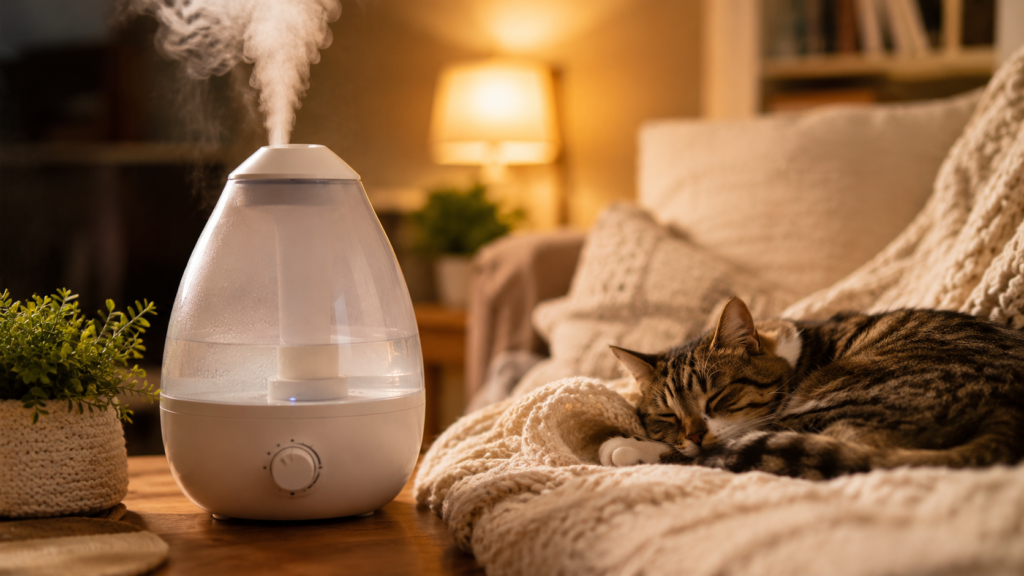
1. Add Moisture to the Air Run a humidifier in the room where your cat spends most of their time. If you don’t have one, sit with your cat in the bathroom while you take a hot shower for ten to fifteen minutes. The steam helps loosen congestion and makes breathing easier.
2. Clean the Nose and Eyes Gently Use a soft, clean cloth dipped in warm water to wipe away nasal discharge. For watery or crusty eyes, a cotton pad soaked in saline solution works well. Do this a few times a day to keep your cat comfortable.
3. Encourage Eating A stuffy nose makes it hard for cats to smell their food, and cats rely heavily on smell to want to eat. Warm up wet food slightly, or offer something with a stronger smell, like tuna, to tempt them. Keeping their strength up is one of the most important parts of recovery.
4. Keep Your Cat Warm Add an extra blanket to their favorite resting spot. Cats fighting an infection lose energy faster when they’re cold, so a warm, cozy space helps their body focus on healing.
5. Make Sure They’re Drinking Enough Water Dehydration can slow down recovery. If your cat isn’t drinking much, try a pet water fountain, or add a little water to their wet food to boost fluid intake.
6. Reduce Stress Keep the environment calm and quiet. Limit loud noises, new visitors, or changes to their routine while they recover. Stress can actually make symptoms worse and slow healing.
7. Isolate From Other Pets If you have other cats, keep the sick one in a separate room with their own food, water, and litter box until they’re fully better.
Most cats who are otherwise healthy start feeling noticeably better within a few days of this kind of care.
Medical Treatment: When Vets Get Involved
Home care handles a lot of mild cases, but some situations need medical support.
Antibiotics for Secondary Infections
Colds themselves are usually viral, and antibiotics don’t treat viruses. However, if a secondary bacterial infection develops — which shows up as thick yellow or green discharge — your vet may prescribe antibiotics to clear it up.
Prescription Eye or Nasal Medication
For cats with more irritated eyes or nasal passages, vets sometimes prescribe topical drops or ointments to reduce discomfort and prevent further irritation.
Hospitalization for Severe Cases
If a cat stops eating entirely, has serious trouble breathing, or becomes extremely weak, they may need a short hospital stay for fluids, nutritional support, and monitoring until they’re stable enough to continue recovering at home.
When to See a Vet Immediately
Don’t wait it out if you notice any of the following:
- Symptoms lasting more than four days without improvement
- Difficulty breathing or breathing with an open mouth
- Complete refusal to eat for over 24 hours
- Thick yellow or green discharge from eyes or nose
- Your cat is a kitten, senior, pregnant, or has an existing health condition
- Extreme lethargy or collapse
Cats are experts at hiding how bad they feel, so if something seems off even beyond the usual sneeze-and-nap routine, it’s always safer to get them checked out.
How Long Does a Cat Cold Last?
Most healthy adult cats recover from a cold within 7 to 10 days with basic home care. Kittens, seniors, and cats with weaker immune systems may take longer, and some may need medical treatment along the way to prevent complications like pneumonia.
If it’s been more than 10 days and your cat still isn’t back to normal, that’s a clear sign to check in with your vet, even if symptoms seem mild.
How to Prevent Cat Colds
Stay Current on Vaccinations
The core vaccines for cats include protection against feline herpesvirus and calicivirus. While vaccines don’t guarantee a cat will never get sick, they significantly reduce how severe symptoms get if they do.
Reduce Everyday Stress
Since stress can trigger flare-ups, especially in cats carrying the herpesvirus, try to keep changes in your cat’s routine as gentle and gradual as possible.
Keep Shared Spaces Clean
Regularly wash food and water bowls, bedding, and litter boxes, especially in multi-cat households. This lowers the chances of the virus spreading between pets.
Separate Sick Cats Quickly
If one cat in your home shows symptoms, isolate them right away. Early separation is one of the most effective ways to stop a cold from spreading to your other pets.
Frequently Asked Questions
Can I give my cat human cold medicine?
No. Human cold medications can be toxic to cats. Never give your cat any medication without your vet’s approval, even something that seems harmless to you.
Do cats need antibiotics for a cold?
Not usually. Antibiotics only help if there’s a secondary bacterial infection. A vet needs to determine this — it’s not something you can decide at home.
Can indoor cats get colds?
Yes. While outdoor cats have more exposure to other cats and higher risk, indoor cats can still catch colds, especially if they’ve been boarded, groomed, or exposed to a new cat recently.
How do I know if it’s a cold or something more serious?
Watch for red flags like difficulty breathing, colored discharge, or a total loss of appetite. If symptoms go beyond mild sneezing and watery eyes, it’s worth a vet visit to rule out anything more serious.
Should I isolate my sick cat from other pets?
Yes, if you have more than one cat. Cat colds spread easily, so keeping the sick cat separated with their own food, water, and litter box helps protect your other pets.
Final Thoughts
Most cat colds look scarier than they actually are. With a little humidity, gentle nose and eye care, warm food, and a cozy place to rest, most cats bounce back within a week to ten days. The real key to good cat cold symptoms treatment is knowing the difference between “just needs some TLC at home” and “needs a vet right now.” Keep an eye on the red flags, trust your instincts, and when in doubt, a quick call to your vet is always worth it.