









Nothing feels worse than looking down at your shiny new ceramic hob and seeing a burnt splash of tomato sauce staring back at you. Or maybe you’ve noticed those annoying cloudy streaks that just won’t go away, no matter how hard you scrub. If any of this sounds familiar, don’t worry — you’re not alone, and the good news is that cleaning a ceramic hob doesn’t have to be stressful.
A ceramic hob can look absolutely stunning when it’s clean. That smooth, glossy black surface can make your whole kitchen feel modern and sleek. But because it’s made of glass, it also needs a bit of extra care compared to old-fashioned gas or coil stoves. Use the wrong cleaning tools, and you could end up with permanent scratches. Ignore spills for too long, and they can bake on and become almost impossible to remove.
The good news? Once you know the right way to clean and care for your ceramic hob, it becomes a quick and simple part of your daily routine. In this guide, we’ll walk you through everything step by step — from quick daily wipe-downs to deep cleaning stubborn stains, plus some handy tips to keep your hob looking brand new for years to come.
What Is a Ceramic Hob? (Quick Recap)
Before we jump into cleaning tips, let’s quickly cover what a ceramic hob actually is, just in case you’re new to this type of stove.
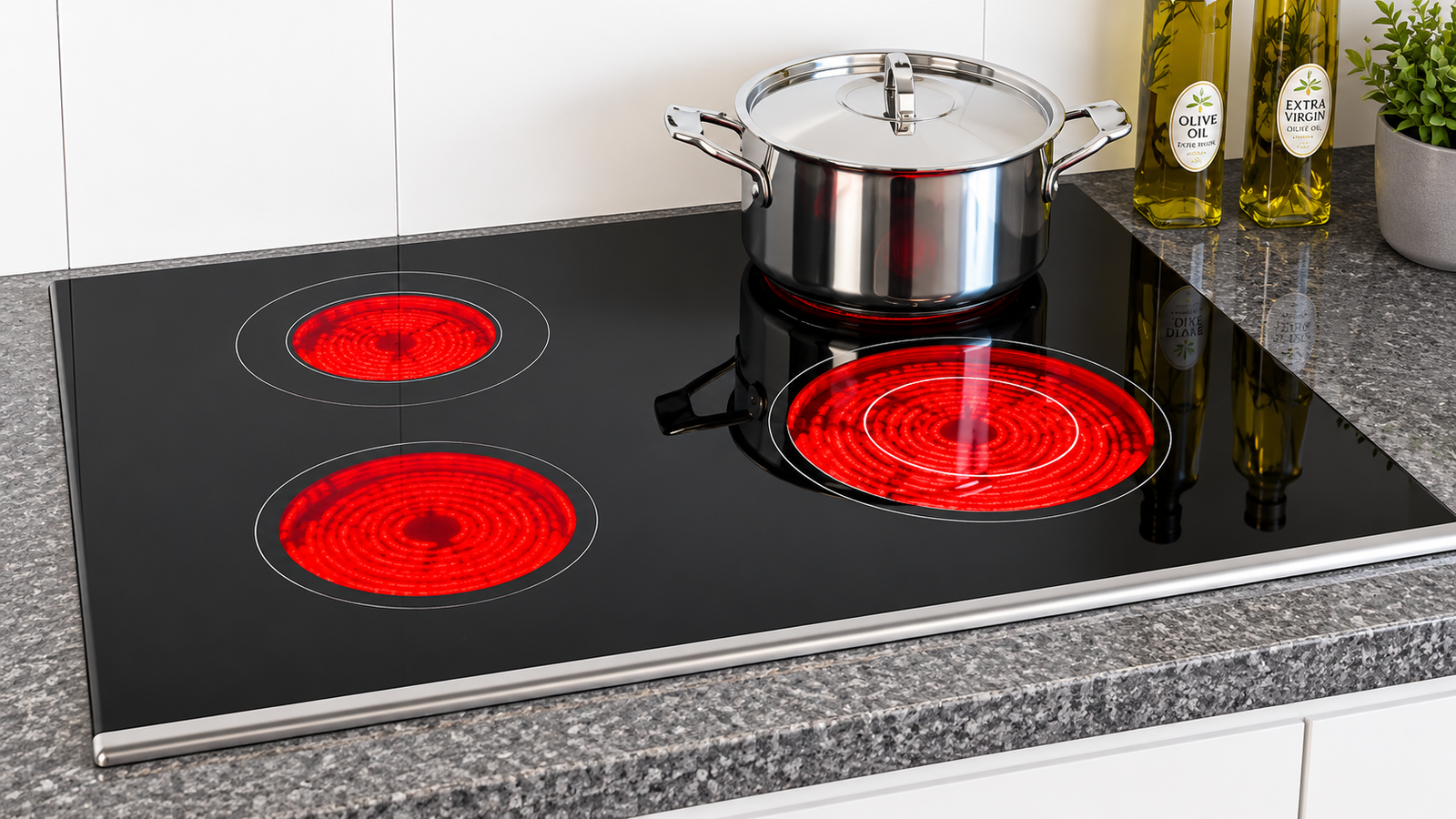
A ceramic hob is a type of cooktop with a smooth, flat glass-ceramic surface. Underneath that glass, there are heating elements (usually radiant coils) that warm up and transfer heat through the glass to your pots and pans. Unlike gas stoves, there are no open flames, and unlike induction hobs, the surface itself gets hot to the touch.
This smooth glass top is what gives ceramic hobs their sleek, modern look. It’s also super easy to wipe clean compared to old stoves with grates and burners. However, that same glass surface is more delicate than metal. It can scratch, crack, or stain if it’s not treated properly. That’s exactly why learning the right cleaning techniques matters so much.
Why Proper Cleaning Matters
You might be thinking, “It’s just a stove — why does cleaning technique matter so much?” Great question! Here’s why taking a few extra minutes to clean your ceramic hob the right way makes a real difference.
Prevents Permanent Stains and Scratches
Ceramic hobs are tough, but they’re not invincible. Using rough scrubbers or letting spills sit for too long can lead to stains that soak into the glass and scratches that never buff out. Once damage like this happens, it’s there to stay. Cleaning properly from the start helps you avoid these permanent marks altogether.
Keeps Your Hob Looking New and Shiny
There’s something satisfying about a spotless, gleaming hob. Regular, gentle cleaning keeps that glass surface looking glossy and new, rather than dull, hazy, or streaky. A well-maintained hob can genuinely make your whole kitchen look more put-together.
Improves Cooking Efficiency and Safety
Here’s something a lot of people don’t realize: a dirty hob doesn’t just look bad, it can actually affect how well it works. Built-up grime and burnt food can interfere with heat distribution, making your hob less efficient. In some cases, burnt residue can even give off smoke or unpleasant smells the next time you cook. Keeping it clean helps your hob perform at its best and keeps your kitchen safer.
What You’ll Need Before You Start
Having the right tools on hand makes cleaning so much easier — and safer for your hob’s surface. Let’s go over what you should (and shouldn’t) use.
Recommended Cleaning Tools
- Soft microfiber cloth or sponge – Gentle on glass and great for everyday wiping.
- Ceramic hob scraper – A flat-edged tool specifically designed to lift off burnt food without scratching the glass.
- Ceramic hob cleaner – A specially formulated cream or liquid cleaner made for glass-ceramic surfaces.
- Paper towels – Handy for quick spill clean-ups.
You can usually find ceramic hob cleaner and scrapers at most supermarkets, hardware stores, or online. They’re inexpensive and will save you a lot of hassle in the long run.
Things to Avoid
Just as important as knowing what to use is knowing what to steer clear of. Using the wrong materials is one of the biggest reasons ceramic hobs end up scratched or damaged.
- Steel wool or wire scrubbers – These will scratch the glass surface almost instantly.
- Abrasive sponges – The rough green side of regular kitchen sponges can also cause fine scratches over time.
- Harsh chemical cleaners – Bleach and other strong chemicals can damage the glass finish and leave discoloration.
- Metal utensils for scraping – Only use a proper ceramic hob scraper, never a butter knife or metal spatula.
Keeping these off-limits items away from your hob is one of the simplest ways to protect it long-term.
Daily Cleaning Routine (After Every Use)
The secret to an easy-to-maintain ceramic hob is consistency. A quick wipe-down after each use prevents small spills from turning into big, stubborn stains.
Step-by-Step Light Cleaning
- Let the hob cool slightly – Wait until it’s warm but not scorching hot. A slightly warm surface actually helps loosen fresh spills.
- Wipe with a damp cloth – Use a soft, damp microfiber cloth to gently wipe away any food splashes, grease, or crumbs.
- Dry with a clean cloth – Finish by drying the surface with a dry cloth to prevent water spots or streaks.
- Check for stuck-on bits – If you notice any stubborn spots, don’t scrub hard. Just make a note to handle them with a scraper (we’ll cover that next).
This whole process takes less than two minutes but makes a huge difference over time.
Tips for Wiping While the Hob Is Still Slightly Warm (Safely)
Cleaning a slightly warm hob (not hot!) can actually make spills easier to remove, since the residue hasn’t fully hardened yet. Just be extremely careful:
- Always confirm the hob is turned off completely.
- Test the surface temperature with the back of your hand before touching it directly.
- Use a cloth, never your bare hand, to wipe warm surfaces.
- If the hob is still very hot, wait a bit longer. Safety always comes first.
Deep Cleaning Guide (Weekly or When Needed)
Even with daily wiping, your ceramic hob will need a deeper clean every so often — especially if you cook frequently or have had a spill that got a little too baked-on.
Step-by-Step for Tackling Burnt-On Food and Grease
- Apply ceramic hob cleaner – Squeeze a small amount of cleaner directly onto the cooled surface.
- Spread evenly – Use a soft cloth or paper towel to spread the cleaner across the entire hob, focusing on stained areas.
- Let it sit – Allow the cleaner to sit for a minute or two so it can start breaking down grease and grime.
- Wipe in circular motions – Gently wipe the surface using soft, circular motions. Avoid pressing too hard.
- Buff to a shine – Finish with a dry microfiber cloth, buffing the surface until it’s streak-free and glossy.
Using a Ceramic Hob Scraper the Right Way
For tougher, crusted-on bits, a ceramic hob scraper is your best friend. Here’s how to use one safely:
- Hold the scraper at a low angle (around 30-45 degrees) against the glass.
- Gently push forward to lift the burnt food, letting the blade do the work — don’t press down hard.
- Wipe away the loosened debris with a cloth.
- Follow up with your regular cleaner to remove any leftover residue.
Using the scraper at too steep an angle or pressing too hard is one of the most common causes of scratches, so take your time and keep your movements light.
Natural Cleaning Alternatives (Baking Soda, Vinegar)
If you prefer a more natural approach, or you’re simply out of store-bought hob cleaner, here are two gentle alternatives that work surprisingly well:
Baking Soda Method:
- Sprinkle a small amount of baking soda over the stained area.
- Add a few drops of warm water to make a light paste.
- Gently rub with a soft cloth in circular motions.
- Wipe clean with a damp cloth, then dry.
Vinegar Method:
- Mix equal parts white vinegar and water in a spray bottle.
- Spray lightly onto the cooled hob surface.
- Let it sit for a minute to loosen grime.
- Wipe away with a soft cloth and dry thoroughly.
Both of these methods are gentle, affordable, and use ingredients you likely already have at home.
How to Remove Stubborn Stains and Burnt Marks
Sometimes, despite your best efforts, you’ll end up with a stain that just won’t budge on the first try. Here’s how to handle those extra-tough spots.
Safe Methods for Tough Stains
- Repeat the deep cleaning process – Sometimes stubborn stains simply need a second or third round of cleaner and gentle scraping.
- Try a longer soak – Apply cleaner or your baking soda paste, then let it sit for 5-10 minutes before wiping, giving it more time to break down the residue.
- Use a specialized ceramic hob polish – These products are designed for extra-tough stains and add a protective shine afterward.
What NOT to Do (Common Mistakes That Cause Scratches)
- Don’t use a knife, fork, or other sharp metal object to scrape at stains.
- Don’t scrub aggressively with abrasive pads, even if the stain seems really stubborn.
- Don’t use bleach or oven cleaners, as these are too harsh for glass-ceramic surfaces.
- Don’t ignore the stain and hope it’ll come off “eventually” — the longer it sits, the harder it becomes to remove.
Patience really is key here. A gentle, repeated approach will always be safer (and ultimately more effective) than forcing it with rough tools.
Tips to Prevent Damage and Keep Your Hob Looking New
Cleaning is important, but prevention is just as valuable. A few small habits can go a long way in keeping your ceramic hob scratch-free and spotless for years.
Using the Right Cookware (Flat-Bottomed Pans)
Always use pots and pans with flat, smooth bottoms. Warped or uneven cookware can scratch the glass surface as you slide it around, and it also heats unevenly. Cast iron pans, in particular, should be lifted rather than dragged across the hob, since they’re especially prone to scratching.
Avoiding Sugar Spills (They Can Cause Pitting)
Sugar is one of the sneakiest culprits when it comes to ceramic hob damage. If sugary food or liquid spills and burns onto the surface, it can actually cause tiny pits or divots in the glass. If you notice a sugary spill while cooking, try to wipe it away as soon as it’s safely possible, even if it means pausing your cooking for a moment.
Regular Maintenance Habits
- Wipe your hob after every use, even if it looks clean.
- Do a deeper clean once a week, or more often if you cook frequently.
- Store a ceramic hob cleaner and scraper somewhere easy to reach, so cleaning never feels like a hassle.
- Avoid placing heavy or sharp objects directly on the hob surface when it’s not in use.
These small, consistent habits are honestly the biggest secret to keeping any ceramic hob looking great for the long haul.
Common Mistakes to Avoid
Let’s do a quick recap of the biggest no-no’s when it comes to ceramic hob care:
- Using steel wool, wire brushes, or abrasive scouring pads
- Cleaning with bleach or harsh chemical cleaners
- Scraping with metal knives or forks instead of a proper hob scraper
- Letting spills, especially sugary ones, sit and burn onto the surface
- Dragging heavy, rough-bottomed cookware across the glass
- Cleaning the hob while it’s still very hot
Avoiding these simple mistakes will save you a lot of frustration (and money on replacements) down the road.
Frequently Asked Questions (FAQ)
Can I Use Vinegar on a Ceramic Hob?
Yes, diluted white vinegar is a safe and effective natural cleaner for ceramic hobs. Just mix it with water, spray it on, let it sit briefly, and wipe clean with a soft cloth.
How Often Should I Deep Clean My Ceramic Hob?
For most households, a deep clean once a week is plenty, especially if you’re wiping the hob down daily after use. If you cook often or have frequent spills, you might want to deep clean twice a week.
Why Does My Ceramic Hob Look Cloudy or Hazy?
Cloudiness is usually caused by mineral buildup from water, leftover cleaning product residue, or fine scratches that scatter light differently. Using a proper ceramic hob cleaner and buffing with a dry cloth can often restore the shine. If scratches are the cause, a ceramic hob polish may help reduce their appearance.
Can Scratches Be Removed?
Minor surface scratches can sometimes be reduced with specialized ceramic hob polish, which helps fill in and smooth out light marks. However, deep scratches are usually permanent, which is exactly why using the right tools and cookware from the start is so important.
Final Thoughts
Caring for a ceramic hob doesn’t have to be complicated or time-consuming. With a quick daily wipe-down and a slightly deeper clean once a week, you can keep that glass surface looking glossy, smooth, and practically brand new. Remember to stick with soft cloths, proper scrapers, and gentle cleaners, and steer clear of anything abrasive or overly harsh.
A little consistency goes a long way. Once cleaning your ceramic hob becomes part of your regular kitchen routine, you’ll barely even think about it — and you’ll get to enjoy a beautiful, spotless cooktop for years to come.