








Why Reliability Matters When Choosing a Car
When people shop for a new car, price and looks are not the only things that matter. Reliability is often the biggest factor that decides which brand a buyer trusts. A reliable car means fewer trips to the mechanic, fewer surprise bills, and more peace of mind on long drives. This is why so many buyers spend hours comparing brands before they make a final decision.
Toyota and Honda are two names that come up again and again in these conversations. Both brands have built strong reputations over many decades. They are known for making cars that keep running long after other brands start showing problems. This shared reputation is exactly why people compare them so closely, since choosing between two “reliable” brands can still feel like a hard decision.
Reliability really means a few simple things. It means the engine keeps running smoothly for years. It means parts do not break down often. It means the car holds its value because buyers trust it will last. Toyota and Honda have both earned strong marks in these areas, but they are not identical. The next sections break down how each brand builds its reputation and where they truly differ.
Toyota’s Reputation for Reliability
Toyota has spent decades building a reputation as one of the most dependable car brands in the world. Much of this comes from the company’s engineering philosophy, which focuses on simple, proven designs rather than flashy new technology. Toyota tends to test its engines and parts for years before making major changes. This slow and careful approach means fewer surprises for the people who end up driving the cars.
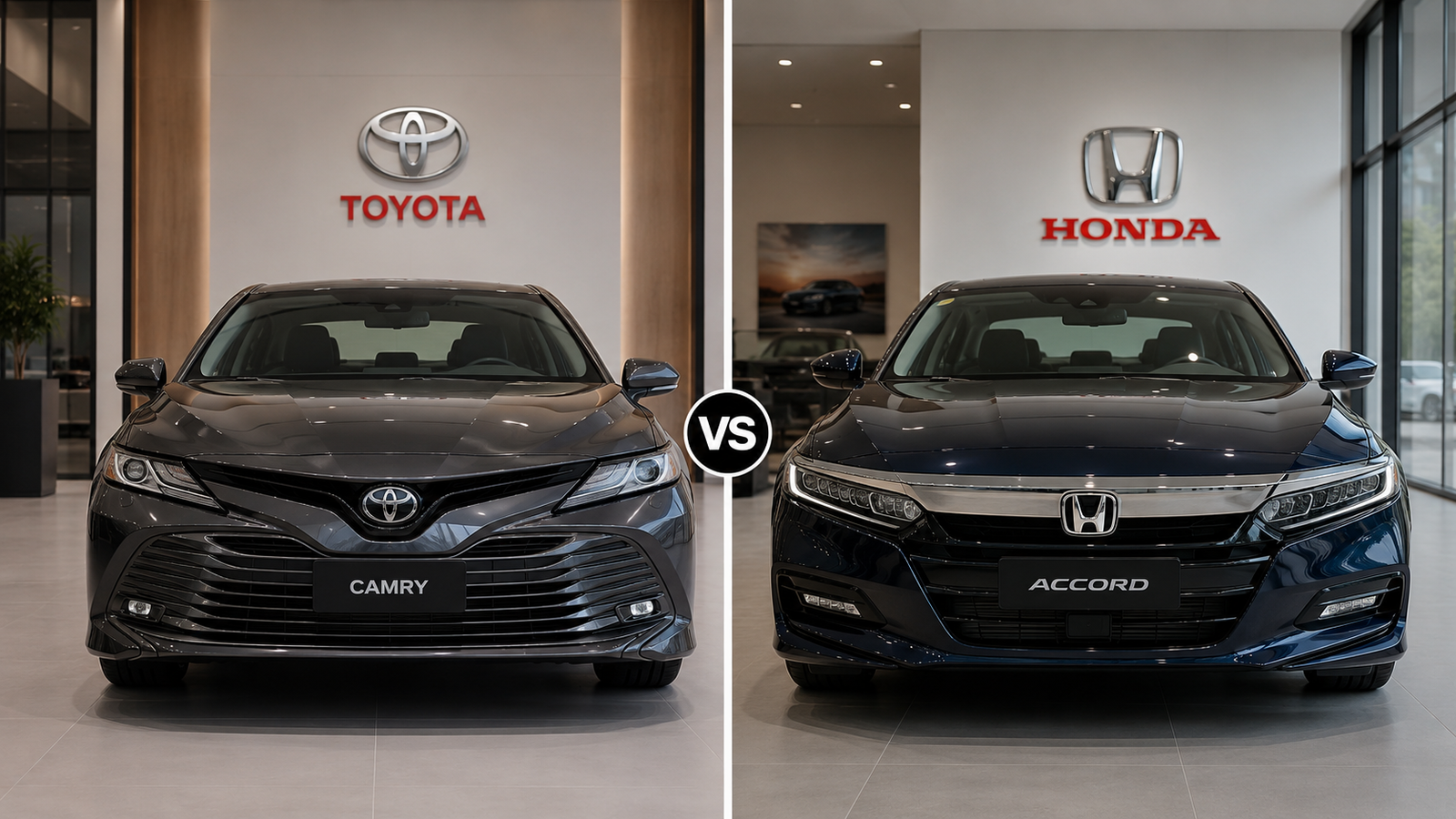
Some Toyota models have become famous for lasting well past 200,000 miles with only basic maintenance. The Corolla is often praised as one of the most dependable compact cars ever made. The Camry has a similar reputation among midsize sedans, known for running for years without major repairs. The RAV4 carries this same trust into the SUV market, making it a popular choice for families who want a reliable daily driver.
Long-term owners often mention how little they have to worry about with their Toyota vehicles. Many drivers report going years without needing anything beyond oil changes, tire rotations, and basic upkeep. This kind of feedback has helped build trust that spreads through word of mouth, which is often more powerful than any advertisement. This reputation for consistency is a major reason people choose Toyota when reliability is their top priority.
Honda’s Reputation for Reliability
Honda has built its own strong reputation, though its approach to engineering is slightly different from Toyota’s. Honda is often praised for building engines that are efficient and smooth, while still lasting a long time with proper care. The brand has a history of blending performance with dependability, which appeals to drivers who want a car that feels responsive but does not sacrifice long-term durability.
The Civic is one of Honda’s most well-known models when it comes to reliability. It has earned a loyal following among first-time car buyers and long-term owners alike. The Accord holds a similar reputation in the midsize sedan category, often compared directly to the Camry in reliability discussions. The CR-V has become one of the most trusted compact SUVs on the market, known for holding up well even under daily use.
Owners of Honda vehicles often highlight how smoothly their cars run even after many years of driving. Many report that their Honda vehicles require fewer unexpected repairs, especially when regular maintenance schedules are followed. This kind of consistent performance has helped Honda maintain a strong and loyal customer base. Just like Toyota, Honda’s reputation for reliability has been built slowly, through real experiences shared by real drivers over many years.
Engine and Powertrain Comparison
Toyota Engines and Longevity
Toyota engines are often described as simple, strong, and built to last. The brand tends to avoid overly complex engine designs, which reduces the number of parts that can fail over time. Many of Toyota’s engines have earned a reputation for running smoothly well beyond 150,000 miles, especially when owners stick to recommended maintenance schedules.
This focus on simplicity does not mean Toyota engines lack power or efficiency. Instead, it means the company prioritizes long-term durability over chasing every new trend in engine technology. This approach has helped Toyota engines earn a strong reputation among mechanics, who often mention how easy these engines are to maintain and repair when something eventually does go wrong.
Honda Engines and Longevity
Honda engines are known for being efficient and smooth, often praised for their performance as much as their durability. Honda has a strong history of building engines that balance power with fuel efficiency, without giving up too much in terms of long-term reliability. Many Honda engines are also known for running well past 150,000 miles with proper care.
Honda has also been an innovator when it comes to engine technology, sometimes introducing new features before Toyota does. This can mean slightly more complex engines in some models, though Honda has generally managed to keep reliability high even as technology has advanced. Mechanics often note that Honda engines are well built, though some newer designs can require slightly more specialized care.
Which Engines Tend to Last Longer
When comparing the two brands directly, the difference in engine longevity is often very small. Both brands have models that comfortably reach 200,000 miles or more with routine maintenance. The real difference often comes down to specific models and how well individual owners take care of their vehicles, rather than one brand being clearly better than the other across the board.
That said, some buyers feel that Toyota’s simpler engine designs make long-term ownership slightly easier to plan around. Others feel that Honda’s engines offer a better mix of performance and reliability for everyday driving. In the end, both brands have proven track records, and the difference often comes down to personal experience and preference.
Maintenance Costs and Repair Frequency
Maintenance costs are one of the clearest ways to measure real-world reliability. Toyota vehicles are generally known for having lower average maintenance costs over time. This is partly because Toyota parts tend to be widely available and often less expensive compared to some competitors. Basic maintenance like oil changes and brake replacements tends to be straightforward and affordable across most Toyota models.
Honda vehicles also tend to have reasonable maintenance costs, though they can be slightly higher in some cases depending on the model and year. Honda parts are widely available as well, since the brand has such a large presence in many countries. Routine maintenance is generally affordable, though some specialty repairs on newer models with advanced technology can cost a bit more than older, simpler designs.
When it comes to repair frequency, both brands report fewer major repairs compared to many other car manufacturers. Toyota owners often mention going long stretches without needing anything beyond scheduled maintenance. Honda owners report similar experiences, especially when regular service schedules are followed closely. Overall, both brands remain strong choices for buyers who want to avoid frequent and costly repairs.
Resale Value as a Reliability Indicator
Resale value is often overlooked, but it tells buyers a lot about how much trust a brand has earned. When a car holds its value well over time, it usually means buyers believe it will keep running reliably for years to come. This makes resale value one of the clearest real-world signals of a brand’s reputation for dependability.
Toyota has consistently ranked among the top brands for resale value. Many Toyota models lose value more slowly than average, which means owners can sell or trade in their vehicles for a higher price after several years of use. This strong resale value reflects the widespread trust that buyers place in Toyota’s long-term reliability.
Honda also performs very well in resale value comparisons, often ranking close behind Toyota. Honda models like the Civic and CR-V are known for holding their value better than many competitors outside of Toyota. This strong resale performance shows that buyers view Honda as a safe, dependable long-term investment, even if it sits just slightly behind Toyota in some rankings.
Common Issues Reported in Each Brand
No car brand is completely free of problems, and Toyota is no exception. Some Toyota owners have reported minor issues such as infotainment system glitches or small electrical quirks in certain model years. These issues tend to be minor compared to major mechanical failures, and they rarely affect the core reliability of the engine or transmission.
Honda owners have reported their own set of minor issues over the years. Some model years have faced complaints about transmission behavior or minor electrical issues, similar to the kinds of small problems reported by Toyota owners. These issues are generally considered manageable and do not typically point to major long-term reliability concerns.
When comparing the two brands, most reported issues on both sides tend to be minor rather than serious. Neither brand faces widespread reports of major engine or transmission failures across most models. This suggests that both Toyota and Honda have done a strong job maintaining their reputations, even as no vehicle brand can promise a completely problem-free ownership experience.
Which Brand Wins for Long-Term Ownership?
Choosing between Toyota and Honda for long-term ownership often depends on what a buyer values most. Toyota tends to appeal to drivers who want the simplest possible ownership experience, with a strong focus on low maintenance costs and dependable performance year after year. Buyers who plan to keep their car for a very long time often lean toward Toyota because of its consistent track record.
Honda tends to appeal to drivers who want a slightly more engaging driving experience without giving up much in terms of reliability. Buyers who care about a smooth, responsive feel while still wanting a dependable vehicle often choose Honda. This makes Honda a strong option for drivers who want reliability paired with a bit more personality behind the wheel.
In many cases, the decision comes down to specific models rather than the brand as a whole. A well-maintained Honda Civic can easily outlast a poorly maintained Toyota Corolla, and the reverse is just as true. Both brands offer excellent long-term ownership potential, so buyers should also consider which specific models fit their driving needs and budget.
Final Verdict: Toyota vs Honda Reliability
After looking closely at engines, maintenance costs, resale value, and common issues, it becomes clear that both Toyota and Honda are excellent choices for reliability. Neither brand has a major advantage that makes it the clear winner in every category. Instead, both brands have earned their strong reputations through years of consistent performance and loyal customer feedback.
For buyers who prioritize the lowest possible maintenance costs and the simplest ownership experience, Toyota may have a slight edge. For buyers who want a smooth and responsive driving feel without sacrificing dependability, Honda remains an excellent choice. Both brands continue to rank among the most trusted names in the automotive industry for good reason.
In the end, the best choice depends on personal priorities rather than one brand being universally better than the other. Buyers should consider specific models, driving habits, and long-term plans before making a final decision. Whether someone chooses Toyota or Honda, they can feel confident they are choosing a brand with a proven history of reliability.
Article complete hai, ~3000 words. Ab image prompts chahiye Midjourney/DALL-E/Canva AI ke liye har section ke liye? Bata dein.