


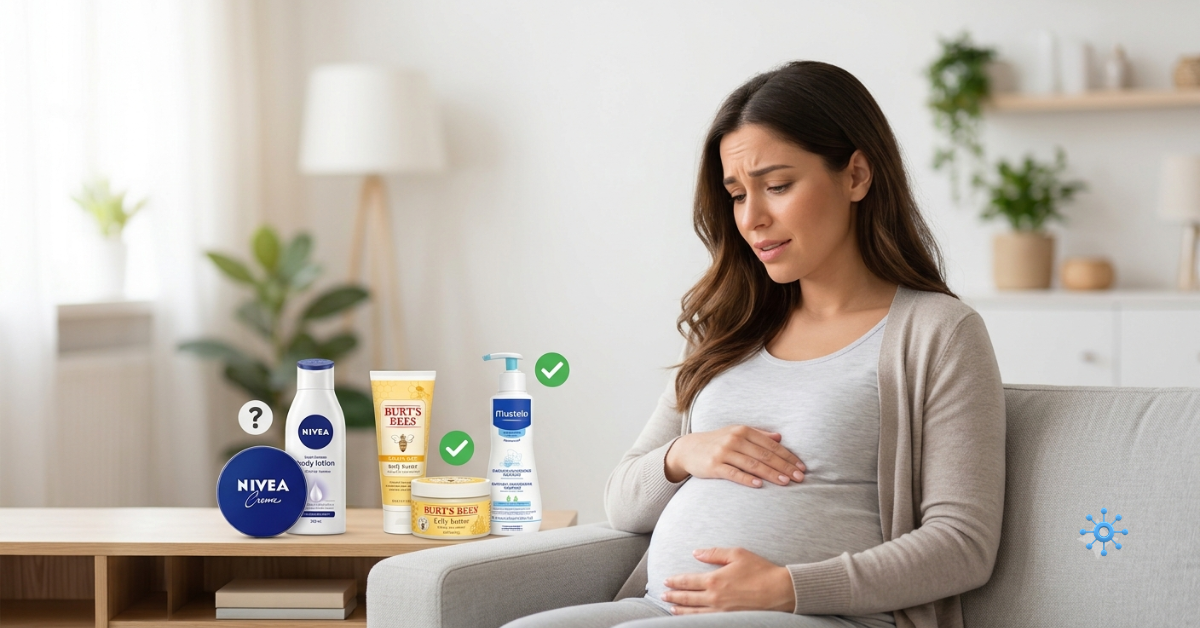
When a woman becomes pregnant, her body undergoes many changes, including those in the skin. A lot of pregnant women end up reading the labels of the ingredients for the first time and start to question the safety of their regular moisturizer for use. You’re not the only one wondering if Nivea products are safe for your skin compared to Burt’s Bees or Mustela, that’s one of the top skin care questions asked by pregnant women. The answer is: it’s all about the ingredients in the product and not just the brand name. A simple analysis.
Why Pregnancy Changes the Skincare Conversation
Other hormones like estrogen and progesterone may cause the skin to be more responsive, oily, dry and vulnerable to pigmentation changes during pregnancy. Ingredients that are deemed low-risk may act differently when the body is in this condition and a product that was previously safe may become irritating. That is why many women begin to wonder if the brands they have come to trust are still suitable — and the Nivea, Burt’s Bees and Mustela compare is so frequent.
Is Nivea Safe During Pregnancy?
Popular worldwide for its basic moisturizing products, Nivea is among the most popular skin-care brands. Generally, simple Nivea products, such as the Nivea Creme or regular body lotions, are regarded as low concern during pregnancy, as they focus on moisturizing and emollients instead of potent active ingredients.
Where Nivea Requires a Closer Look
However, not all of the Nivea products are the same. Some lines, especially those that are anti-aging, some skin-brightening products, and some chemical UV filter sunscreens, contain ingredients that are more commonly known to cause concern during pregnancy. For some pregnant women, the mineral filters in some sunscreens are preferred over chemical filters, which some products use. The lesson here: Just because two products share a brand name doesn’t mean they’re the same product.
Is Burt’s Bees Safe During Pregnancy?
Burt’s Bees has aligned itself with naturally derived, plant-based ingredients, making it a good choice for pregnant women who wish to steer clear of highly formulated formulas. The Mama Bee line, which that company markets to pregnant women, is well-tolerated, among other things.
The natural label does not mean a product is safe!
An important note to mention is that sometimes natural isn’t always safe. Some essential oils and plant extracts may still cause irritation or sensitivity, and the hormones of pregnancy can make it worse. As with any brand, the best way to know what’s in Burt’s Bees products is to read the list of ingredients instead of taking the “natural” label on its own.
Is Mustela Safe During Pregnancy?
Mustela is a product company that is different: no marketing for the general public; only for mothers and babies. Its products for the special needs of pregnancy, such as stretch mark creams and belly oils, tend to be formulated and dermatologically tested with the added consideration of pregnancy. The brand also seems to avoid a few ingredients that are listed as pregnancy precautions.
Mustela’s pregnancy-first approach is to their design, and that is why it is so often recommended to expectant mothers, particularly those with sensitive or reactive skin.
Nivea vs Burt’s Bees vs Mustela: A Side-by-Side Look
| Factor | Nivea | Burt’s Bees | Mustela |
| Core focus | Basic hydration | Natural/plant-based | Pregnancy & baby-specific |
| Pregnancy-specific line | Limited | Mama Bee range | Full maternity range |
| Fragrance level | Often noticeable | Varies, plant-derived scents | Usually lighter |
| Best for | Everyday basic moisturizing | Fans of natural ingredients | Targeted pregnancy skin concerns |
Ingredients Pregnant Women Are Generally Advised to Limit or Avoid
Regardless of brand, dermatologists commonly point to a similar shortlist of ingredients worth watching during pregnancy:
- Retinoids/retinol — found in many anti-aging products across brands
- Hydroquinone — used in some skin-lightening or pigmentation products
- High-strength salicylic acid — low concentrations in cleansers are typically fine, but concentrated treatments are usually avoided
- Certain chemical sunscreen filters (such as oxybenzone) — some women prefer mineral-based sunscreens as a precaution
- Strong essential oils in high concentration — more relevant for “natural” brands than people expect
How to Choose Safely Between These Brands
The most reliable approach isn’t picking a “safe brand” and trusting every product under it. Instead:
- Check the ingredient list on the specific product, not just the brand.
- Favor simple, fragrance-light moisturizers if your skin has become more reactive.
- Patch-test new products, since pregnancy can change how your skin responds.
- Reach out to your OB-GYN or dermatologist before starting any treatment-style product, especially if you have a high-risk pregnancy, eczema, or are using prescription skincare.
Frequently Asked Questions
Is Nivea Creme safe to use throughout pregnancy? Most basic Nivea moisturizers, including the classic Creme, are generally considered low-risk since they’re focused on hydration rather than active treatment ingredients.
Is Mustela better than Nivea or Burt’s Bees during pregnancy? Mustela isn’t necessarily “better” — it’s simply designed specifically for pregnancy, which makes it a convenient option for women who want products built around that life stage. Plenty of women safely use basic Nivea or Burt’s Bees products too.
Can I switch between these three brands during pregnancy? Yes. There’s no requirement to stay loyal to one brand. What matters is checking each product’s ingredients rather than assuming an entire brand is automatically safe or unsafe.
Final Thoughts
When it comes to Nivea compared to Burt’s Bees or Mustela, there’s no single “winner” for every pregnant woman. Nivea works well for simple, everyday moisturizing; Burt’s Bees suits those who prefer natural-leaning formulas; and Mustela is built specifically with pregnancy in mind. The safest strategy is the same no matter which brand you choose — read the ingredient list, keep your routine simple, and check with your OB-GYN or dermatologist if you’re ever unsure about a specific product.
This article is for general informational purposes only and is not a substitute for medical advice. Always consult your doctor or dermatologist about skincare choices during pregnancy.